
Best Time to Visit the Azores: A Month-by-Month Guide by a Local
Best time to visit the Azores in 2026 — a month-by-month guide from a local covering weather, crowds, prices, festivals, hydrangeas, and whale watching.
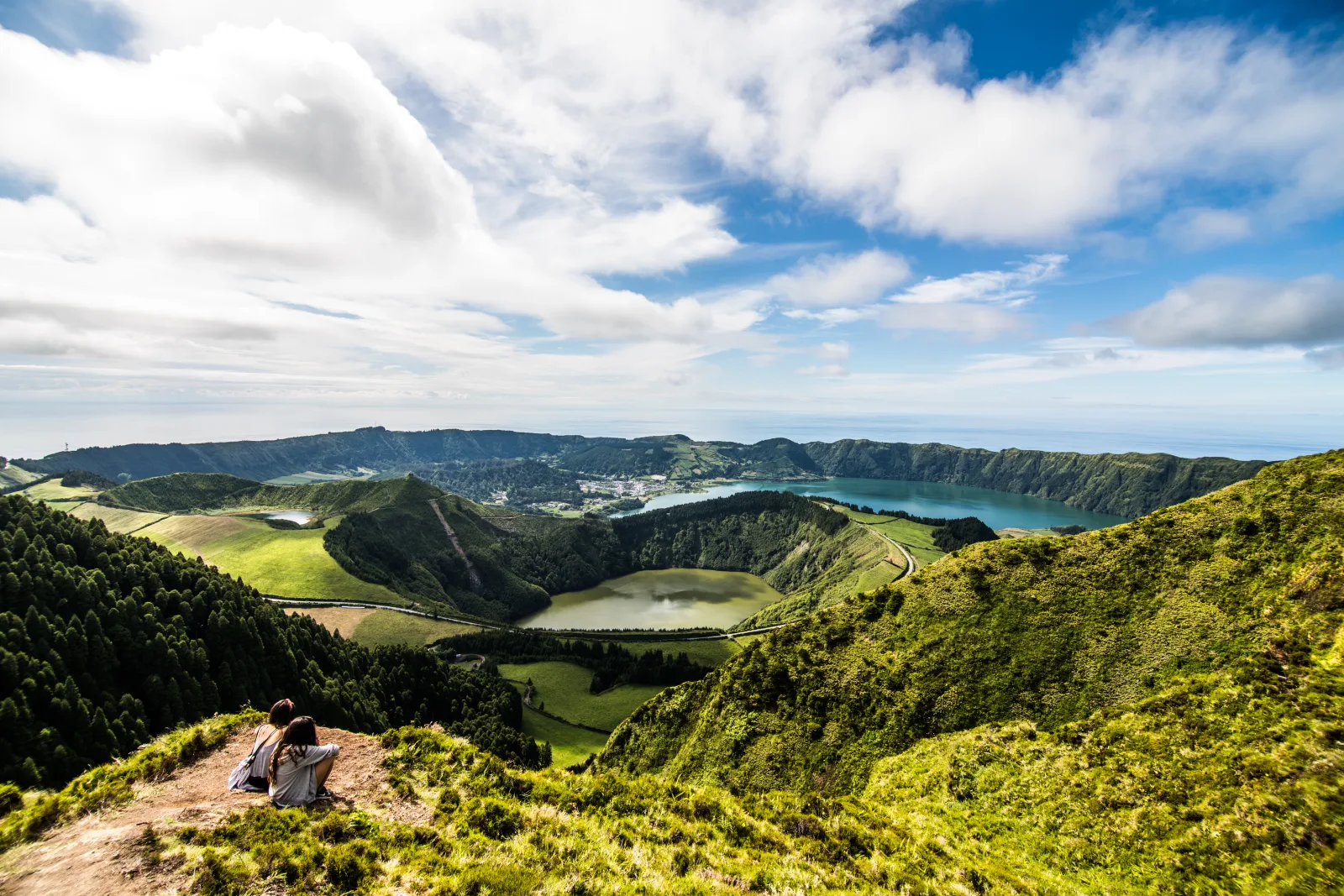
The best time to visit the Azores depends on what you care about. There’s no universally perfect month. June is the most popular recommendation (and it’s good), but the actual best month for you depends on whether you prioritize clear hikes, empty trails, cheap flights, whale watching, hydrangeas, ocean swimming, or hot springs.
This guide goes month by month so you can match the season to what you actually want to do. I live here. I’ve seen every month from the inside. For the underlying weather numbers — air temp, ocean temp, rainfall — that drive these recommendations, the Azores temperature by month post has the data tables.
What is the best time to visit the Azores?
| Priority | Best months |
|---|---|
| Overall first visit | June or September |
| Hiking with clear viewpoints | May – July |
| Hot springs & thermal pools | November – March (cold air + hot water = magic) |
| Whale watching (big baleen whales) | March – May |
| Hydrangeas in bloom | Late June – August (peak mid-July) |
| Cheapest flights & hotels | November – March (excl. Christmas) |
| Ocean swimming | July – September |
| Fewest tourists | November – February |
| Best weather odds | July – August (warmest, least rain — but busiest) |
| Big festivals (Santo Cristo, Cavalhadas) | May – August (see festivals calendar) |
If none of those match, keep reading. Every month has something.
What is the weather actually like in the Azores?
Before the month-by-month, three things about Azorean weather that no one tells you:
1. Four seasons in one day is normal. The classic Azorean joke is “if you don’t like the weather, wait 15 minutes.” This is not an exaggeration. Morning fog, midday sun, afternoon shower, evening clearing — that’s a regular Tuesday. The key is flexibility, not forecasting.
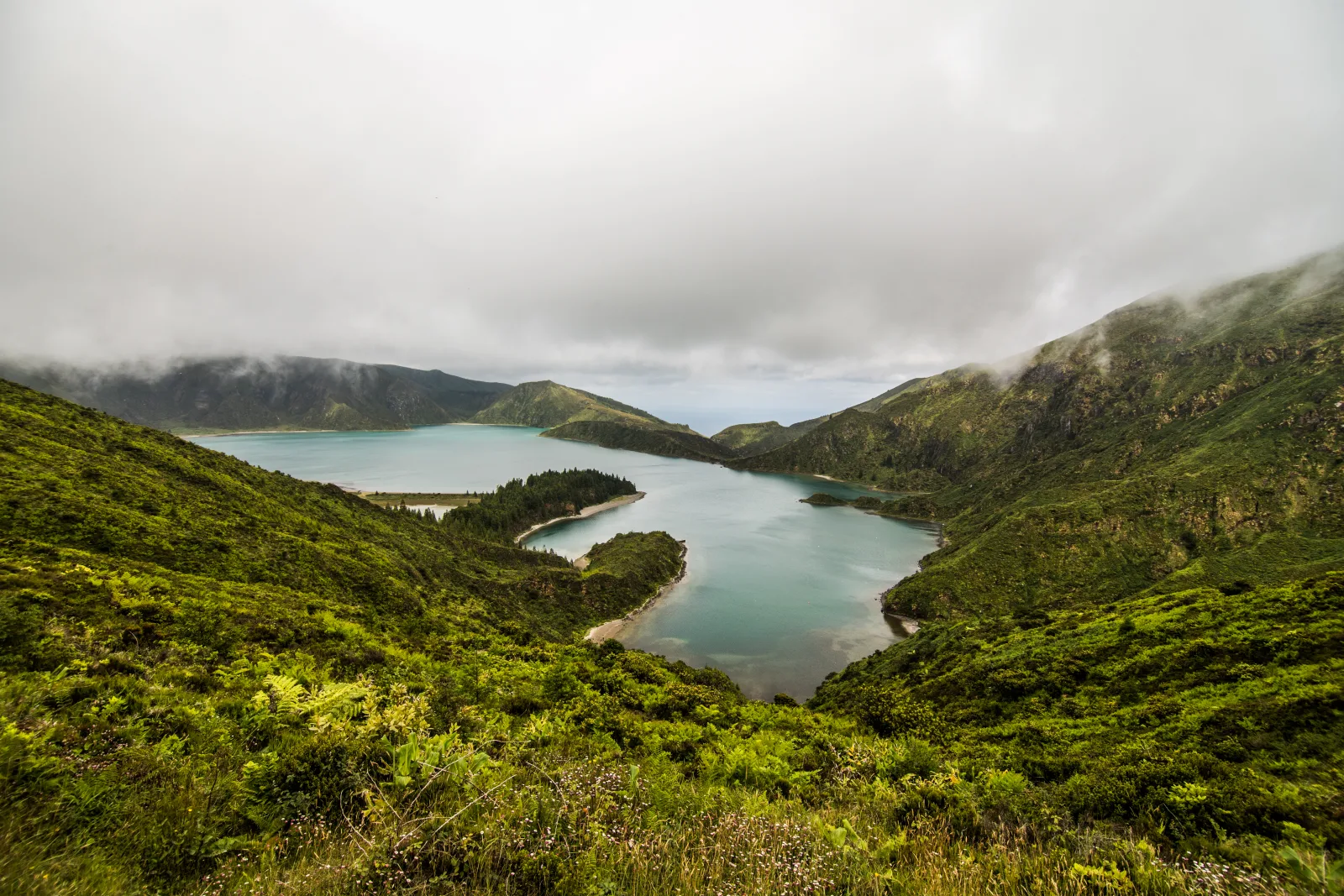
2. Microclimates are real. Sete Cidades and Lagoa do Fogo sit in volcanic calderas that make their own weather. It can be sunny in Ponta Delgada (sea level) and completely socked in at the crater rim (500m up). The morning rule from the Sete Cidades guide — “be there before 10am” — applies year-round.
3. No month is rain-free, and no month is a washout. The Azores get rain every month. Even July averages 5-6 rainy days. But the rain is usually short, passing showers — not all-day grey. The worst weather pattern is a stalled Atlantic low that parks over the islands for 3-4 days. That’s more common November-February but can happen anytime.
What is each month like in the Azores?
January
| Metric | Value |
|---|---|
| Air temperature | 14-16°C (57-61°F) |
| Ocean temperature | 16-17°C (61-63°F) |
| Rainy days | ~15 |
| Daylight | ~10 hours |
| Crowds | Very low |
| Prices | Lowest of the year |
The vibe: Quiet, moody, dramatic. This is the Azores at its rawest — big waves on the coast, steam rising from the caldeiras in the cold air, empty trails, and the thermal pools at their absolute best (the colder the air, the better the hot springs feel).
Good for: Hot springs (Terra Nostra, Poça da Dona Beija), storm watching on the coast, whale watching starting to pick up, photography (the clouds and light are incredible), budget travel.
Skip if: You need reliable clear days for hiking viewpoints. January is the rainiest month.
February
| Metric | Value |
|---|---|
| Air temperature | 13-16°C (55-61°F) |
| Ocean temperature | 16°C (61°F) |
| Rainy days | ~13 |
| Daylight | ~10.5 hours |
| Crowds | Very low |
| Prices | Very low (except Carnival week) |
The vibe: Similar to January but with slightly more daylight and the first signs of spring. Carnival (movable, usually February/March) brings local festivals — especially on Terceira island, which has one of Portugal’s biggest Carnival celebrations.
Good for: Same as January. Carnival cultural experience. Cheapest flights.
Watch out for: Carnival week prices spike if you’re on Terceira. São Miguel stays quiet.
March
| Metric | Value |
|---|---|
| Air temperature | 14-17°C (57-63°F) |
| Ocean temperature | 16°C (61°F) |
| Rainy days | ~13 |
| Daylight | ~12 hours |
| Crowds | Low |
| Prices | Low-moderate |
The vibe: The start of whale season. March through May is when the great baleen whales — blue whales, fin whales, sei whales — migrate past the Azores. This is the #1 reason to come in spring. The resident sperm whales stay year-round, but March is when the big ones arrive.
Good for: Whale watching (peak begins), hot springs, early hiking (trails are green but wet), budget travel.
April
| Metric | Value |
|---|---|
| Air temperature | 15-18°C (59-64°F) |
| Ocean temperature | 16-17°C (61-63°F) |
| Rainy days | ~11 |
| Daylight | ~13 hours |
| Crowds | Moderate (Easter bump) |
| Prices | Moderate |
The vibe: Spring is real. The island is explosively green — greener than you’ve seen anywhere in Europe. Whale season is in full swing. Rain is still frequent but the breaks between showers are longer and sunnier.
Good for: Whale watching (peak), hiking (green trails, wildflowers), photography. Easter holiday brings a brief surge of visitors but nothing like summer.
The sweet spot: Late April, after Easter, is one of the best-kept-secret windows. Spring weather, whale season, few tourists, reasonable prices.
May
| Metric | Value |
|---|---|
| Air temperature | 16-20°C (61-68°F) |
| Ocean temperature | 17-18°C (63-64°F) |
| Rainy days | ~9 |
| Daylight | ~14 hours |
| Crowds | Moderate |
| Prices | Moderate |
The vibe: The shoulder season sweet spot. Weather is warming, rain is dropping, the island is still green, whales are still here, and summer crowds haven’t arrived yet. May is the month I’d recommend to someone who wants everything — good hiking, good whale watching, uncrowded attractions, fair prices, and enough sun to enjoy the coast.
Good for: Everything. Hiking, whale watching, hot springs, coastal walks. The only thing you can’t do well in May is swim in the ocean (still cold) or see hydrangeas (they’re not blooming yet).
June
| Metric | Value |
|---|---|
| Air temperature | 18-23°C (64-73°F) |
| Ocean temperature | 19-20°C (66-68°F) |
| Rainy days | ~7 |
| Daylight | ~15 hours |
| Crowds | Moderate-high |
| Prices | Moderate-high |
The vibe: The most recommended month and it earns it. The weather is warm and increasingly stable. The hydrangeas start blooming in late June. Days are long. The ocean is approaching swimmable. Crowds are present but not overwhelming — that tipping point is July.
Good for: First-time visitors who want the “full Azores.” Best balance of weather, crowds, and price. Late June catches the early hydrangeas.
This is the month I’d recommend for most first-timers. Not too hot, not too cold, not too crowded, not too expensive.
July
| Metric | Value |
|---|---|
| Air temperature | 20-25°C (68-77°F) |
| Ocean temperature | 21-22°C (70-72°F) |
| Rainy days | ~5 |
| Daylight | ~15 hours |
| Crowds | High |
| Prices | High |
The vibe: Peak hydrangea season. The entire island is blue and purple — roadsides, hedgerows, volcanic slopes, everything. The weather is the most stable of the year. The ocean is warm enough for comfortable swimming. This is the busiest month alongside August, but the Azores “busy” is still nothing like the Algarve or Barcelona.
Good for: Hydrangeas (peak mid-July), ocean swimming, beach days, diving, all outdoor activities.
Book ahead: Rental cars, Caldeira Velha, and popular restaurants (especially cozido in Furnas) need advance booking.
August
| Metric | Value |
|---|---|
| Air temperature | 22-26°C (72-79°F) |
| Ocean temperature | 22-23°C (72-73°F) |
| Rainy days | ~5 |
| Daylight | ~14 hours |
| Crowds | Highest |
| Prices | Highest |
The vibe: The warmest month and the busiest. Portuguese and European summer holidays mean peak everything — prices, crowds at viewpoints, restaurant wait times. The weather is the most consistently sunny and warm, though. Late hydrangeas are still visible, the ocean is at its best for swimming, and Ilhéu de Vila Franca (the natural islet pool) is open.
Good for: Swimming, beach days, families with school-age children, warm evenings.
Be aware: Prices are 30-50% above June. Popular viewpoints like Sete Cidades are crowded, especially midday. The 5-day itinerary holds, but book everything ahead.
September
| Metric | Value |
|---|---|
| Air temperature | 21-24°C (70-75°F) |
| Ocean temperature | 22-23°C (72-73°F) |
| Rainy days | ~8 |
| Daylight | ~12.5 hours |
| Crowds | Moderate (drops fast after mid-September) |
| Prices | Moderate |
The vibe: The local’s favorite month. The ocean is at its warmest (it lags the air by 6-8 weeks), the summer crowds are gone, the weather is still warm, and prices drop. The hydrangeas are fading but the landscape is still lush. Late September can get a few stormier days but the first half of the month is often the best weather window of the year.
Good for: Everything June offers, but fewer people and lower prices. The warmest ocean swimming. Ideal for couples and solo travelers who avoided the summer rush.
This is the month I’d recommend if you’ve been before and want the island to yourself.
October
| Metric | Value |
|---|---|
| Air temperature | 18-21°C (64-70°F) |
| Ocean temperature | 20-21°C (68-70°F) |
| Rainy days | ~12 |
| Daylight | ~11 hours |
| Crowds | Low |
| Prices | Low-moderate |
The vibe: Autumn. The rain picks up but the air is still mild and the ocean is still warmer than the spring months. This is the last comfortable month for ocean swimming. The landscape starts shifting from summer-dry back to the deep green the Azores is famous for.
Good for: Budget-conscious travelers, quiet hiking, hot springs, last ocean swims. Late October is when “shoulder season” officially tips into “off-season” and deals appear.
November
| Metric | Value |
|---|---|
| Air temperature | 16-19°C (61-66°F) |
| Ocean temperature | 19°C (66°F) |
| Rainy days | ~14 |
| Daylight | ~10.5 hours |
| Crowds | Very low |
| Prices | Low |
The vibe: The quiet season begins. Rain is frequent, days are shorter, but the thermal pools are glorious and the island is yours. November is when hotels and airlines drop prices significantly — it’s the beginning of the biggest price drops of the year.
Good for: Hot springs, storm watching, solitude, photography, budget travel. The serious hikers come in November because the trails are empty and the green is deep.
December
| Metric | Value |
|---|---|
| Air temperature | 14-17°C (57-63°F) |
| Ocean temperature | 17-18°C (63-64°F) |
| Rainy days | ~15 |
| Daylight | ~10 hours |
| Crowds | Very low (Christmas/New Year spike) |
| Prices | Low (except Christmas/New Year) |
The vibe: Winter. Short days, frequent rain, dramatic skies. The Azorean Christmas is quiet and local — midnight Mass, family meals, not commercialized tourism. New Year’s Eve in Ponta Delgada has fireworks over the marina.
Good for: Hot springs (the best time of year for them), Christmas cultural experience, whale watching starting to improve again, absolute cheapest flights (early December before the holiday spike).
Which Azores season is right for you?
| Season | Months | Best for |
|---|---|---|
| Winter | Dec – Feb | Hot springs, budget, solitude, storm drama |
| Spring | Mar – May | Whale watching (peak), green landscapes, shoulder pricing |
| Summer | Jun – Aug | Hydrangeas, swimming, stable weather, longest days |
| Autumn | Sep – Nov | Warmest ocean, fading crowds, best value, the local’s choice |
When do locals actually visit?
We don’t think in “tourist seasons.” We go to the beach in July-September, hike year-round (with rain gear), use the thermal pools more in winter, watch whales in spring, and eat cozido das Furnas whenever we feel like it. The island doesn’t shut down in winter — it just gets quieter.
The one thing we do avoid: planning an outdoor-only trip in December or January if we need reliably clear days. The odds are against you. But if you’re flexible and willing to swap days around the weather, winter works.
The bottom line
First visit, no specific agenda: June or September. Whales are your priority: March-May. Budget is your priority: November-March. You hate crowds: November-February, or September after the 15th. Hydrangeas matter to you: First two weeks of July. You want to swim in the ocean: Late July-September. Hot springs are the main draw: November-February (cold air + 38°C pool = peak experience).
Plan your trip
Once you’ve settled on a month, here’s the rest of the planning checklist — each of these is its own guide:
- Narrow the timing further — best month to visit the Azores goes deeper on the month-by-month trade-offs, and Azores temperature by month has the raw air, sea, and rainfall data.
- Travelling in peak season? — the Azores in summer covers June to August in depth: weather, crowds, swimming, and what’s on.
- Decide how long to stay — how many days in the Azores helps you right-size the trip.
- Sort the logistics — how to get to the Azores, the Azores airport guide, whether you need a car, the Azores time zone for jet lag, and where to stay on São Miguel.
- Still choosing a destination? — Azores vs Madeira settles the comparison, and the Azores vacation packages guide covers the package-versus-DIY question.
- Build the day-by-day plan — the 5-day São Miguel itinerary accounts for the microclimate patterns, anchored by the Sete Cidades and Furnas guides. For water temperatures, see best beaches on São Miguel.
- And if you’d rather skip the planning entirely, Pocket Guide Azores builds weather-aware, locally-grounded itineraries in one click — customized to whatever month you’re actually traveling.
Frequently asked questions
What is the best month to visit the Azores? +
June is the single best month for a first visit. The weather is warm and relatively stable (20-24°C), the iconic hydrangeas are starting to bloom, summer crowds haven't peaked yet, and prices are still below July-August rates. September is a close second — similar weather, fewer tourists, and slightly warmer ocean water for swimming.
Is the Azores worth visiting in winter? +
Yes, but for the right reasons. Winter (December-February) brings more rain and shorter days, but also empty trails, dramatic cloudscapes, the cheapest flights and hotels of the year, and all the thermal pools and hot springs are even better when the air is cold. If you care about hiking viewpoints on clear days, winter is riskier. If you care about hot springs, whale watching (peak season is actually March-May), and solitude, winter is excellent.
When is whale watching season in the Azores? +
Year-round, but the peak is March through May when large baleen whales (blue whales, fin whales, sei whales) migrate past the islands. Sperm whales are resident year-round. Summer (June-September) has calmer seas and better conditions for boat trips, though fewer whale species. Tour operators in Ponta Delgada and Vila Franca do Campo run trips daily, weather permitting.
When do the hydrangeas bloom in the Azores? +
Late June through August. The peak is typically mid-July when the roadsides, hedgerows, and volcanic slopes are completely covered in blue and purple. By September the blooms are fading. If seeing the hydrangeas is a priority, aim for the first two weeks of July.
What is the cheapest time to visit the Azores? +
November through March (excluding Christmas/New Year). Flights from Lisbon, London, or Boston can be 40-60% cheaper than summer, and hotel rates drop significantly. The best value window is late October or early November — shoulder season weather (still mild, around 18-20°C) at winter prices.
Does it rain a lot in the Azores? +
Yes, but not in the way you might think. The Azores get about 1,000-1,400mm of rain per year, spread across frequent short showers rather than all-day storms. A typical Azorean day might have rain in the morning, sun by lunch, and clouds by 4pm. The key is flexibility — always have a backup plan (hot springs, museum, indoor meal) and check the forecast hourly. No month is rain-free, and no month is a washout.
Can you swim in the Azores in winter? +
In the ocean? Technically yes — the Gulf Stream keeps water temperatures at 16-18°C even in January, which is swimmable for some but cold for most. In the thermal pools (Terra Nostra, Poça da Dona Beija, Caldeira Velha)? Yes, and it's arguably better in winter because the contrast between the hot water and cold air is spectacular. The volcanic pools are 36-40°C year-round.
How far in advance should I book an Azores trip? +
For July-August: book flights and hotels 3-4 months ahead. For shoulder season (May-June, September-October): 6-8 weeks is usually fine. For winter: last-minute deals are common, but 2-3 weeks ahead is safe. Rental cars should always be booked in advance regardless of season — the island has limited inventory and the cheapest options sell out quickly.
Is August a bad time to visit the Azores? +
Not bad, but the most crowded and expensive. August is peak summer holiday in Portugal and many European countries. Prices are 30-50% higher than June, popular viewpoints (Sete Cidades, Lagoa do Fogo) are busier, and restaurant reservations become necessary everywhere. The weather is the warmest and most stable, though. If August is your only option, go — but book everything early and expect more people.
Should I time my trip around an Azorean festival? +
If you can, yes. The biggest is **Festa do Senhor Santo Cristo** in Ponta Delgada (May 8-14 in 2026 — the procession on Sunday May 10). It's the largest religious festival in the Azores and Ponta Delgada is at its most alive. Other strong picks: the **Cavalhadas de São Pedro** horseback procession in Ribeira Seca on June 29, and the **MEO Monte Verde** music festival in Ribeira Grande on August 6-8. Plan to book accommodation 2-3 months ahead for Santo Cristo week.