
Best Month to Visit the Azores: Straight Answers from a Local
A local Azorean answers the 'best month to visit the Azores' question — festivals, hurricane season, real price ranges, and why locals never give one answer.
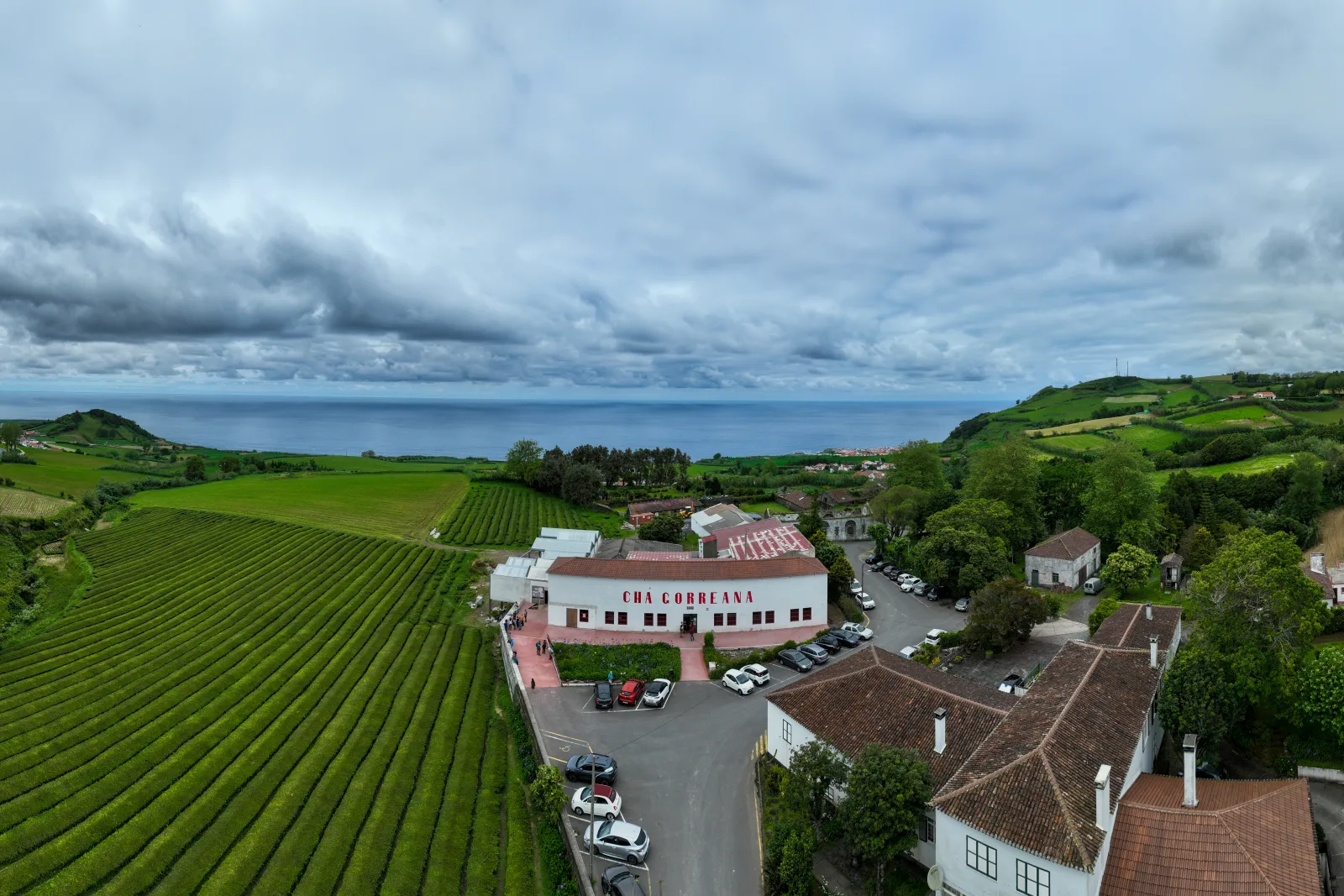
“What’s the best month to visit the Azores?” is the single most common question I get from visiting friends. And the answer I give — it depends on what you want — is almost consistently unsatisfying to whoever asks.
So let me do it properly. This is the longer version: the Reddit-thread version where I actually try to answer the real questions people have, not just list average temperatures by month.
If you want a pure month-by-month reference (weather data, rainy days, ocean temperatures), I already wrote that: Best Time to Visit the Azores: A Month-by-Month Guide. This guide is the opinionated companion — the one that answers “yeah but what does that mean?”
The short honest answer
There is no single best month. The question is the wrong shape. Here’s the right shape:
| What you want most | Best month(s) |
|---|---|
| Default “first visit, no strong preference” | June |
| Weather + low crowds + reasonable prices | May or September |
| Cheapest flights and hotels | November–March (not Christmas) |
| Warmest ocean for swimming | July–September |
| Hydrangeas in bloom | First two weeks of July |
| Azaleas and camellias | March |
| Whale migration (big baleen species) | April–May |
| Most festivals | May (Santo Cristo) or June (Espírito Santo) |
| Fewest tourists anywhere | January–February |
| Local’s quiet favorite | September |
| Best hot springs experience | December–February (cold air + hot water) |
| The month locals avoid | August (crowded, pricey, queues) |
If none of those match exactly what you want, keep reading. Most real questions don’t have one-line answers.
Is June the best month to visit the Azores?
It’s the defensible default. June has:
- Warm but not hot weather (18-23°C)
- Hydrangeas starting to bloom by late month
- Summer crowds haven’t peaked yet
- Lower prices than July-August
- Long daylight hours
If a stranger asked me “pick a month for me to visit the Azores with zero other information,” I’d say June. It minimizes the risk of a bad trip.
But “defensible default” isn’t the same as “best for you.” If you care about anything specific — whales, hot springs, no crowds, a particular festival, maximum budget savings — June isn’t automatically the answer.
”What about May?”
May is excellent with one local caveat: the Santo Cristo dos Milagres festival in Ponta Delgada. It falls on the 5th Sunday after Easter (usually mid-May, sometimes early May) and brings a massive influx of Portuguese and Azorean-diaspora visitors for the religious processions. Hotels in Ponta Delgada book out months ahead and prices spike.
Outside festival week, May is genuinely great: the island is at its greenest (recent rains), azaleas and camellias are blooming, hydrangeas are starting, rain is manageable (9 rainy days average), and you get tourist-thin viewpoints and restaurants.
If you love festivals, schedule around Santo Cristo on purpose — it’s one of Portugal’s biggest religious festivals and genuinely spectacular. If you prefer quiet, check the date and book the two weeks before or after.
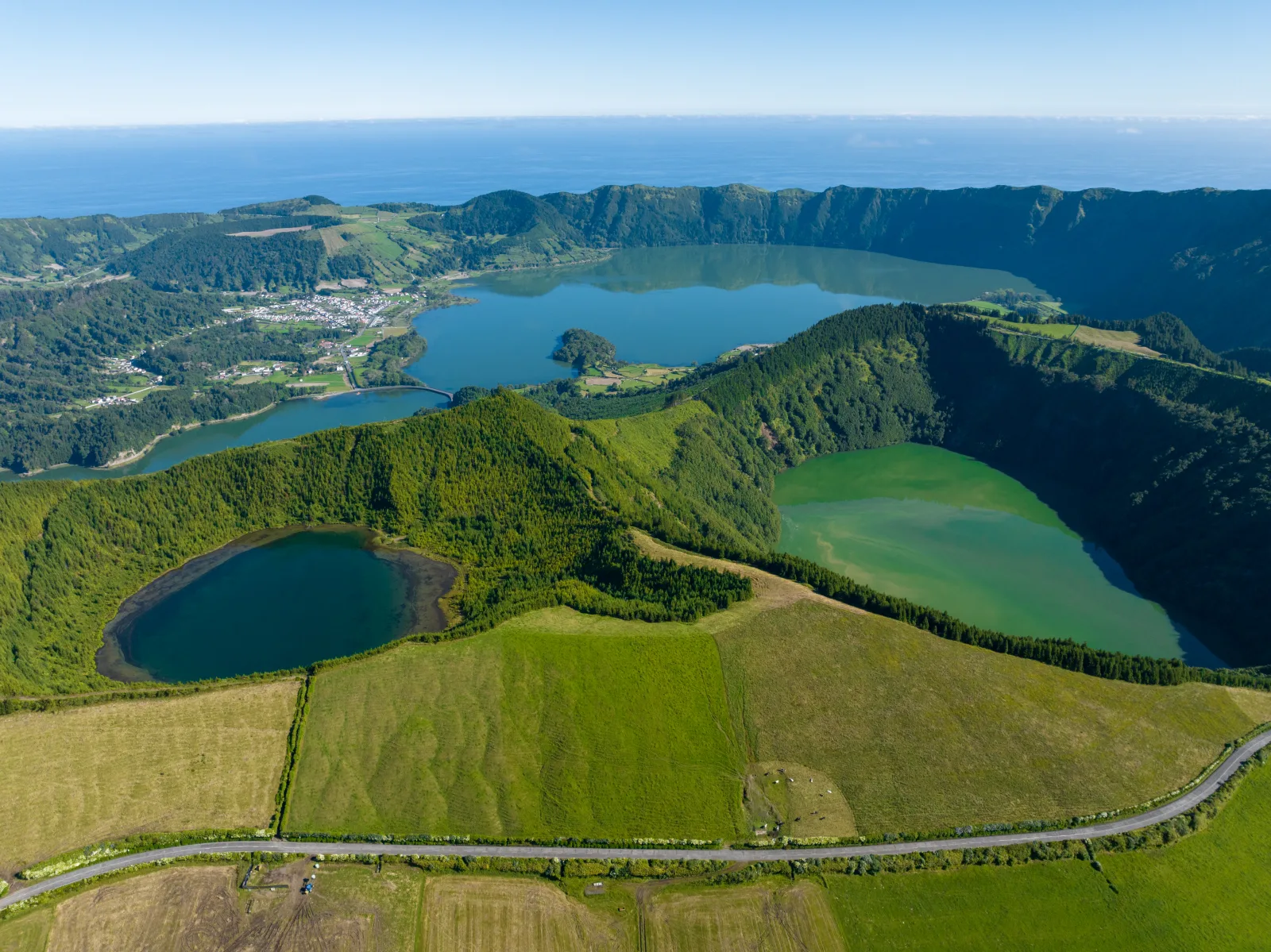
Shoulder months — April, May, September, October
This is the locals’ consensus answer. If you ask an Azorean “when should foreigners come?”, most will say one of these four months.
- April: Easter celebrations, more rain, misty landscapes, dramatic light
- May: see above
- September: warmest ocean water, gone-crowds, summer weather persisting
- October: significantly cheaper, still mild, fewer tourists
The unsexy caveat nobody mentions: September and October fall on the Atlantic hurricane season. Direct hits on the Azores are uncommon but not rare, and delayed or cancelled flights happen most years even without a direct storm. If you’re booking for these months, get travel insurance and build a buffer day into your flight schedule.
”Is August really that bad?”
It’s not bad. It’s the most crowded and expensive. Locally you’ll hear “prices triple in August” — that’s not literally consistently true but it’s not far off:
- Hotels: 2-3x the shoulder season rate
- Rental cars: 50-70% more, cheap categories sold out
- Restaurants: reservations become necessary everywhere
- Popular viewpoints: queues at Sete Cidades, Lagoa do Fogo, Furnas caldeiras
- Locals: visibly fewer (we leave)
August is also the most reliably warm and dry month, which matters if you want beach time or ocean swimming. Flights from most European cities are cheapest in August relative to peak because volume is high.
The honest take: August works for a first-time traveler who wants reliable summer weather and doesn’t mind company. It doesn’t work for someone who wants the “quiet Atlantic island” version of the Azores. If you can move your trip by 2-3 weeks, late June or early September is dramatically better value.
”Which month do LOCALS actually prefer?”
Here’s the split, from asking around:
- September wins the most votes. Ocean at peak warmth (22-23°C), tourists mostly gone, prices drop, weather still summery.
- May is second. Green, festive, uncrowded.
- November has surprising support — storm-watching, hot springs, Christmas not yet kicked in, the island feels like ours again.
- January-February for those who like solitude and don’t mind rain.
The rare answer: August. Most locals I know actively dislike August on São Miguel — crowds, prices, queues. Many Azoreans use August as their vacation month to visit other islands (Flores, São Jorge) because São Miguel is overwhelmed.
The fact that locals split between May, September, and November tells you something: there’s no objective best. It’s personality-driven.
”What festivals happen when?”
This is underrated. Festivals can completely change your trip — for better or worse, depending on what you want.
| Month | Festival | Where |
|---|---|---|
| February | Carnival | Especially Terceira — one of Portugal’s biggest |
| April | Easter (Páscoa) | All islands, processions |
| May | Senhor Santo Cristo dos Milagres | Ponta Delgada, São Miguel — 5th Sunday after Easter |
| June | Espírito Santo (Holy Spirit) | All islands, peak on Terceira — street festivities, “impérios” |
| Late June | Sanjoaninas | Angra do Heroísmo, Terceira — weeklong festival |
| July–August | Local saint festivals | Every village has its own |
| Late July | Festas da Praia | Praia da Vitória, Terceira |
| Summer | Cais de Agosto | São Jorge — music + local culture |
| September | Harvest festivals | Pico (wine), small islands |
Practical advice: if you visit during a festival, book accommodation well in advance and expect slow traffic on roads leading to the festival town. If you visit right after, you catch cleaner, quieter islands.
The biggest one to know about is Santo Cristo in Ponta Delgada (May) — it doubles prices and crowds on São Miguel for about 4 days. Either plan around it or lean into it — don’t accidentally stumble into it without booking ahead.
”Is winter worth it?”
Yes, for specific reasons. Winter (December-February) is when the Azores is at its most raw and most empty. The island gets rain and short days, but it also gets:
- Thermal pools at peak experience — cold air (10-14°C) + 38°C iron-rich water at Terra Nostra or Poça da Dona Beija is a completely different sensation from summer soaking
- Dramatic cloudscapes and coastal storms — photographers love winter here
- Whale watching ramps up in March as migration starts
- Empty trails and viewpoints — you’ll have Sete Cidades almost to yourself
- Cheapest flights and hotels of the year
- Carnival in February if you’re on Terceira
What you trade:
- More rain (15-20 rainy days/month)
- Shorter days (~10 hours)
- Colder water (16-17°C — swimmable but bracing)
- Some smaller attractions on reduced hours
Winter is wrong for travelers who came for the Sete Cidades photo. Winter is right for travelers who came for the place.
”What month has the fewest tourists?”
In order:
- January — the absolute quietest
- February — close second
- November — quiet, still mild
- December (excl. Christmas/New Year) — quiet
- March — filling up gradually
If you want to stand at Vista do Rei at Sete Cidades with nobody else in the frame, come in January. The tradeoff is rain and short daylight.
Peak crowd months in descending order: August > July > Santo Cristo week in May > late September > June.
”When do the hydrangeas actually bloom?”
Late June through August, peak in the first two weeks of July.
Hydrangeas are iconic in the Azores — you’ll see roadsides, hedgerows, and whole volcanic slopes covered in blue and purple. By September the blooms are fading but still visible. By October they’re gone.
If hydrangeas are a specific priority for your trip, aim for July 1-15. Plus you get long daylight and warm weather. The tradeoff is crowds.
Hurricane season — the honest answer
The Azores sits in the Atlantic hurricane track, and storms do occasionally clip the islands. The technical season runs from June through November, with statistical peak risk in September and October. In practice, a direct hit by a hurricane is rare — once every few years at most — and the islands are usually skirted by the outer bands rather than struck full-on.
What you should know if you’re booking those months:
- September: weather is statistically excellent until about the 20th, then the risk creeps up. Most storms that affect the Azores arrive in the back half of September or first week of October.
- Travel insurance: worth it if you’re booking a non-refundable trip in late September through October. Standard policies cover hurricane disruption to flights and accommodation.
- Flight delays are the real risk, not personal danger. If a system tracks toward the Azores, airlines reroute or cancel a day in advance, and the islands’ infrastructure handles it calmly.
The local view: a Tropical Storm Nadine in 2012 was the most disruptive recent event — the islands lost a few trees, some flights got rebooked, and life resumed in 48 hours. Nobody who lives here cancels September trips because of theoretical hurricanes.
”What about the ‘surprising warm day’ thing?”
Yes — it’s real. Winter in the Azores doesn’t get cold the way northern Europe does. The Gulf Stream keeps things mild. I’ve seen 25°C in January. Most winter days are 14-17°C and bearable in a fleece.
What makes winter feel colder isn’t the temperature — it’s the wind and the rain. Still air + rain at 15°C feels colder than a dry 10°C morning.
Practical: pack layers consistently. A waterproof shell is non-negotiable. Your “winter” jacket from Boston or London is overkill — your “autumn” jacket is about right.
”How far in advance should I book for each month?”
| When you’re going | Book flights | Book hotel | Book rental car |
|---|---|---|---|
| July–August | 4–5 months ahead | 3–4 months | 2–3 months |
| May–June or September–October | 2–3 months | 6–8 weeks | 4–6 weeks |
| Santo Cristo (May) | 4+ months | 4+ months | 2+ months |
| November–March (ex-holidays) | 4–6 weeks | 2–4 weeks | 1–2 weeks |
| Christmas / New Year | 3–4 months | 3–4 months | 2 months |
Rental cars are the thing to watch. The cheap economy categories sell out first, and nobody wants to pay €120/day for a car that should have been €75.
”So what month should I actually pick?”
Here’s how I’d think about it if you asked me over coffee:
If you’re asking for the minimum-regret answer (first trip, balance of weather + crowds + cost): June, or the first two weeks of September.
If you care about cost above all: November–early March, excluding Christmas/New Year weeks.
If you hate crowds: January or February. Accept the rain as the tradeoff.
If you want the warmest ocean for swimming: Late July–early September.
If you want hydrangeas: First two weeks of July. Crowds and prices are high but the landscape is unmatched.
If you want a festival experience: Time it for Carnival on Terceira (Feb), Santo Cristo in Ponta Delgada (May), or Espírito Santo on Terceira (June).
If you want the locals’ favorite: September, specifically the second and third weeks.
The honest last word
The weather in the Azores is too variable to promise anything. I can tell you June has better odds than January. I can’t tell you your June trip will have sunny viewpoints. Someone I know came in February and had a week of 20°C sun. Someone else came in August and got four straight days of fog.
Flexibility consistently beats forecasting. Whatever month you pick, plan backup activities for bad weather (Furnas hot springs, museums, thermal pools, long lunches). If the morning is clear, go to Sete Cidades. If it’s not, go to Furnas. If it’s raining, go eat cozido for two hours and try again tomorrow.
For the full month-by-month data (temperatures, rainy days, daylight hours, prices), see Best Time to Visit the Azores: A Month-by-Month Guide. For the raw Azores temperature by month data alone (air, ocean, rainy days), that breakdown is the data sheet.
For planning the trip itself once you’ve picked a month, see the 5-day São Miguel itinerary or the 3-day version for shorter trips.
And if you’d rather skip the month-by-month decision paralysis entirely and just tell an app your dates, Pocket Guide Azores builds a day-by-day itinerary that accounts for whichever month you picked — weather-aware, prices-aware, and updated continuously by the same local writing these guides.
Frequently asked questions
What's the best month to visit the Azores? +
There isn't a single best month — the honest answer is 'it depends on what you want.' June is the defensible default (warm, hydrangeas starting, crowds not yet peaked). May and September are the local favorites for weather + low crowds + good prices. November-February is the cheapest and quietest but rainier. August is the warmest but prices triple and every viewpoint has queues. Pick by priority, not by calendar.
Is May a good month to visit the Azores? +
Yes — May is one of the best months, but with one local caveat: the Santo Cristo dos Milagres festival in Ponta Delgada (early-mid May) brings big crowds and higher hotel prices. Outside festival week, May is excellent — still green from spring rains, azaleas and camellias blooming, hydrangeas starting, and noticeably fewer tourists than June or July. Weather is mild (15-20°C) but rain is more likely than in summer.
Is hurricane season a real concern in the Azores? +
It's a real risk in September and October, which overlap with the Atlantic hurricane season. Direct hits are rare but not unheard of, and delayed or cancelled flights happen most years. If you're planning a trip in late September or October, book flexible tickets, get travel insurance, and don't plan the tightest possible itinerary. Despite this, October is often still a beautiful month with fewer tourists and good prices.
Are prices really higher in August in the Azores? +
Yes — and more than you'd expect. Accommodations can run 2-3x shoulder season rates, rental cars 50-70% more, and popular restaurants require reservations everywhere. Flights also peak. August is Portugal's main holiday month plus European summer break, so every visitor converges at once. If you can shift to late June or early September, you'll save 30-50% and see fewer crowds.
What festivals happen in each month in the Azores? +
Each month has its own. February: Carnival (biggest on Terceira). April: Easter celebrations island-wide. May: Senhor Santo Cristo dos Milagres in Ponta Delgada (5th Sunday after Easter — one of Portugal's biggest religious festivals). June: Espírito Santo (Holy Spirit) festivities on every island, especially Terceira, with street festivities that run into July. Late June: Sanjoaninas in Angra do Heroísmo. Summer: traditional bullfights and concerts. Autumn: Harvest festivals. Plan around these if festival atmosphere matters to you — or avoid them if crowds don't.
What's the least touristy month in the Azores? +
January and February. You'll have Sete Cidades, Furnas, and most trails almost to yourself. The tradeoff is more rain (15 rainy days vs 5 in July), shorter days, and some smaller restaurants/attractions on reduced hours. Thermal pools are glorious in winter (cold air + 38°C iron-rich water). If you don't mind carrying rain gear and want the islands in their rawest state, winter is genuinely special.
When do locals say is the best month? +
Ask ten Azoreans and you'll get split answers. September is the most common — summer weather, gone-tourists, warmest ocean. May is second — green landscape, festivals, fewer crowds. November has a surprising number of fans for storm-watching and hot springs. The rarely-heard answer is August — locals tend to leave São Miguel in August because prices and crowds are rough. The 'best month' to a local usually means 'when the island feels like ours again.'
Isn't the weather in the Azores just unpredictable? +
Yes, genuinely. The local joke 'four seasons in one day' is real. Even July averages 5 rainy days. Even January can hit 25°C. Even August has foggy mornings at Sete Cidades. The practical implication: no single month guarantees good weather, and no single month guarantees bad weather. Pack layers and a waterproof, plan flexible activities, and don't book your whole trip around the weather forecast — book around flights, prices, and what you want to do.