
Also available in Português
Cozido das Furnas: A Local's Guide to the Volcanic Stew (2026)
A local's guide to cozido das Furnas, São Miguel's underground volcanic stew — best restaurants, reservation rules, day plan, and how to cook it at home.
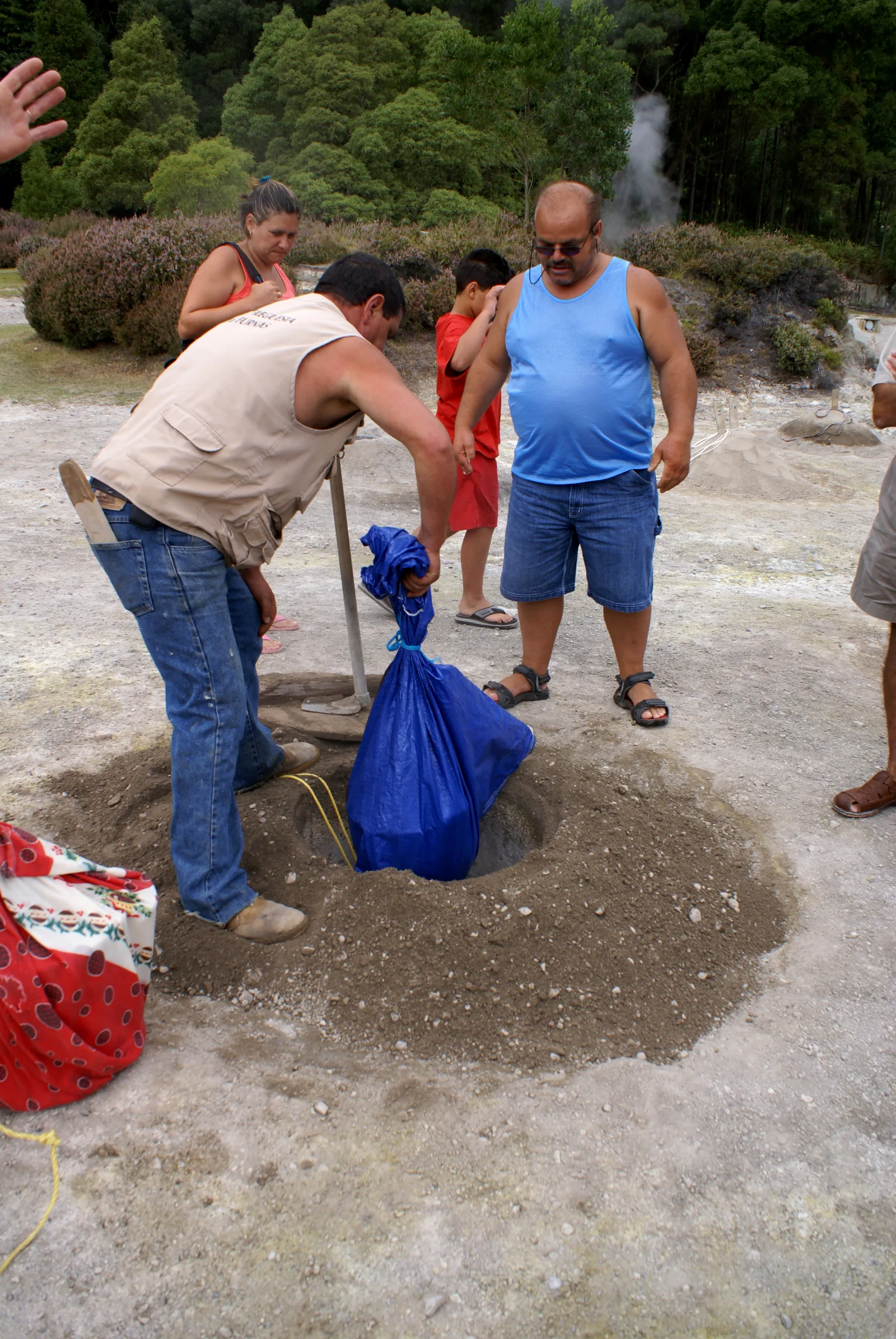
Cozido das Furnas is the dish Furnas is built around. The pots cook six to seven hours in the ground — literally buried in volcanic steam vents on the edge of Lagoa das Furnas — and come out at midday smelling like the best Sunday lunch your grandmother never made. Every restaurant in town serves it, every tourist gets told to try it, and every local has a strong opinion about which place does it right.
I live here. I’m biased. The honest truth is that cozido is both simpler and better than the tourism brochures make it sound: it’s a slow stew of meat, sausage, and root vegetables, cooked underground because the geology makes the oven free. What you’re paying for isn’t a fancy technique — it’s lunch in a village with a volcanic kitchen, at a pace you can only eat at on vacation. This guide is how to eat it without the usual mistakes.
What it actually is
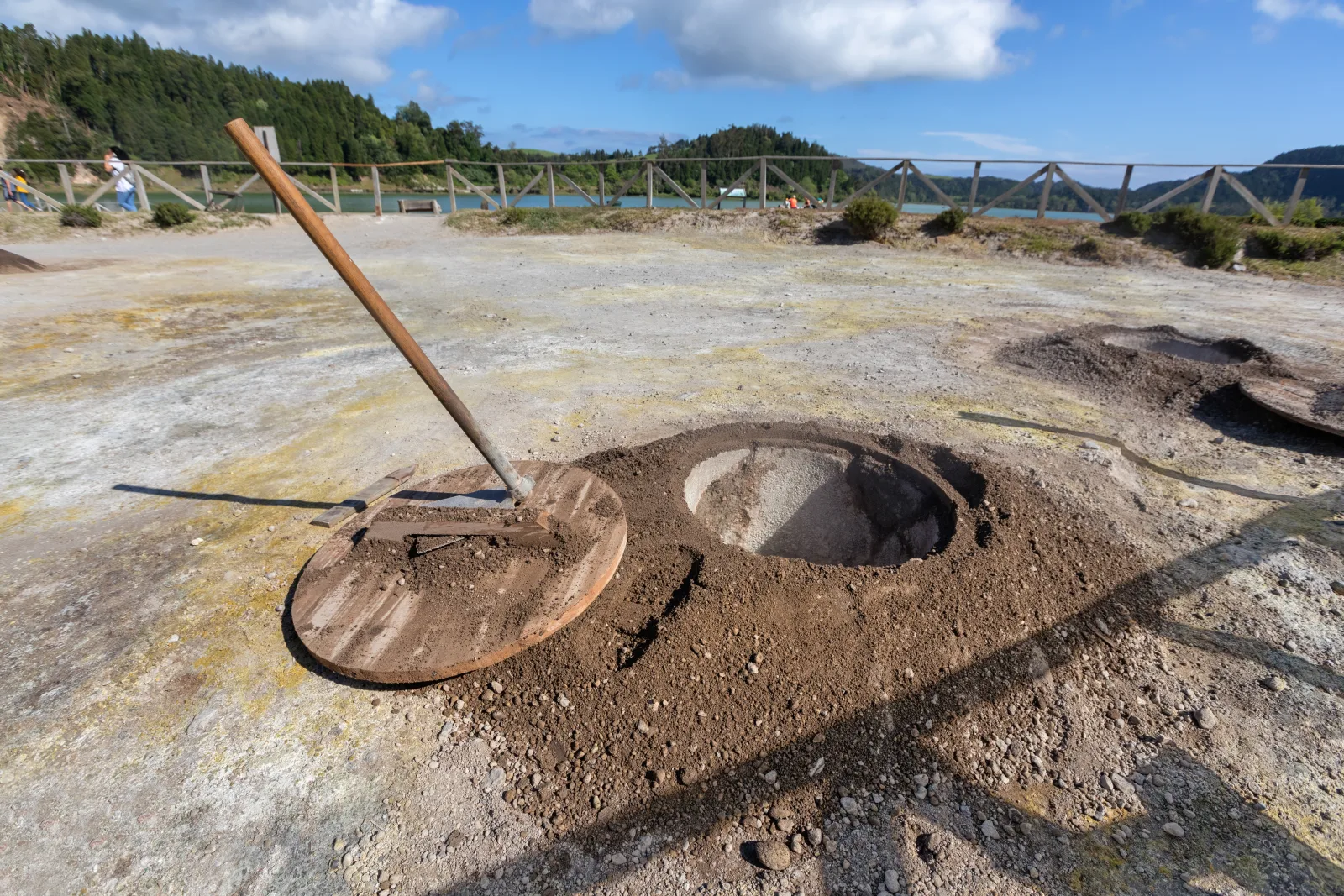
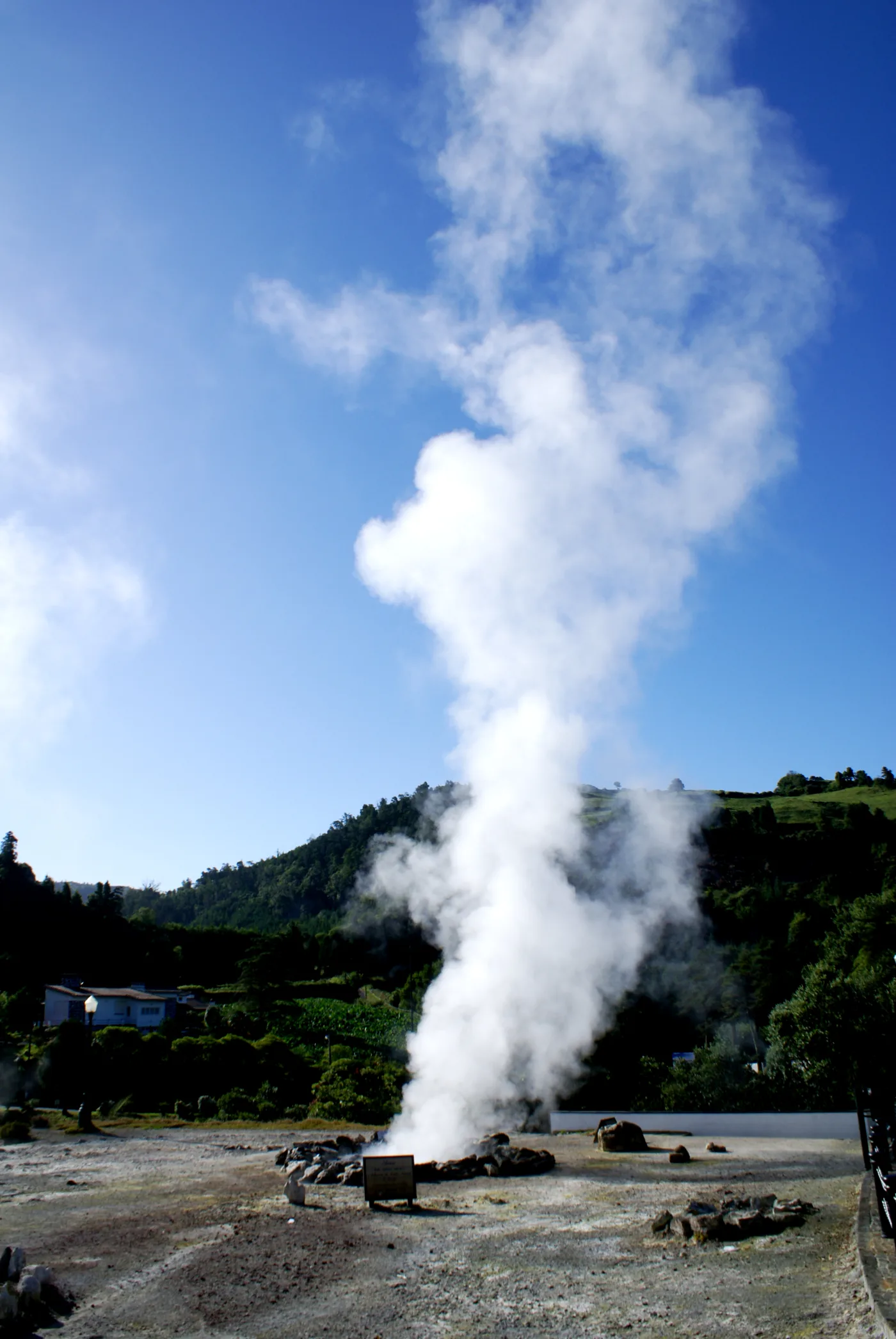
Cozido das Furnas is a layered stew. The base is root vegetables — cabbage, carrots, sweet potatoes, yams, turnip tops, sometimes chickpeas. On top goes the meat: chunks of beef, pork belly, chicken, chouriço sausage, morcela (blood sausage), and usually a piece of chicken bone for flavour. The pot is a tall metal cylinder, sealed, wrapped in cloth, and lowered into a hole in the ground at the edge of Lagoa das Furnas. The volcanic caldeiras around the lake run at 90–100°C just under the surface. Six hours later the pot comes out cooked through, the flavours entirely mingled, the vegetables falling apart.
Here’s what’s actually in a standard pot, roughly in the order it goes in:
| Layer | Ingredients | Why |
|---|---|---|
| Bottom | Cabbage leaves, turnip tops, carrot tops | Protects the meat from direct heat, absorbs the fat that renders down |
| Middle (vegetables) | Sweet potato, yam, regular potato, whole carrots, sometimes chickpeas | Dense roots that need the full six hours to cook through |
| Middle (meats) | Beef shin, pork belly, chicken thigh, a piece of pork rib | The slow-release flavour layer — fatty cuts that turn silky at 95°C for six hours |
| Top | Chouriço, morcela (blood sausage), sometimes blood pudding | Strong-flavoured sausages at the top so they flavour the steam as it rises |
| Seasoning | Salt, a bay leaf, sometimes a whole head of garlic | That’s it. No wine, no stock, no herbs — the steam does the work |
There is no other place in Europe where you eat a dish cooked like this. Technically you could cook the same stew in a pressure cooker for two hours and the chemistry would be similar. What you can’t reproduce is the context — a village built around a lake where the ground steams in a dozen places, families walking down to watch their own Sunday pot come out of the earth, a kitchen you can see from a café table.
That’s what the dish is. The question most tourists actually want answered is: is it worth it? And: where should I go?
Best restaurants for cozido das Furnas
There are more than three restaurants serving cozido in Furnas. Most of them are good. These three are the ones I’d send a friend to without a second thought.
| Restaurant | Vibe | Price pp | Best for |
|---|---|---|---|
| Miroma | Classic village dining room, locals on Sundays | €20–€25 | First-timers, most local version |
| Tony’s Furnas | Polished, English menus, tourist-famous | €22–€28 | Groups, English-speaking visitors |
| Terra Nostra Park | Upscale, pool-view terrace inside the hotel | €28–€35 | Pairing lunch with a thermal soak |
Restaurante Miroma — the locals’ pick
Miroma, nine times out of ten. It’s the least staged, the dining room feels like a family-run canteen, and the cozido there is the version that tastes most like a local Sunday lunch. The local move is to sit down at 13:00, order a bottle of Pico white, and not rush.
Tony’s Furnas — the safe tourist pick
Tony’s is the safer tourist pick — bigger dining room, fluent English, easier to book from abroad. It’s not worse. It’s just louder. If you’re travelling with a group of six or more, or with anyone who wants an English menu, book Tony’s.
Terra Nostra: lunch + thermal soak combo
Terra Nostra Park is the outlier: the dish itself is fine, not exceptional, but the reason to eat there is that your table is 50 metres from the thermal pool. You can swim first, eat at 13:30, doze in the garden afterward. For a slow Furnas day it’s a good pairing.
How to reserve cozido das Furnas (non-negotiable)
This is the one thing most tourists get wrong: they arrive in Furnas at midday hungry, walk up to Miroma, and find out lunch service is closed. The pots were sized yesterday. The answer isn’t a table — the answer is a different restaurant, or come back tomorrow.
The rule: reserve at least one day ahead. Two to three days ahead in July–August.
Miroma
Call +351 296 584 422, or email them via their website contact form. They take reservations up to 14 days out. Portuguese-first — if your Portuguese is zero, have your hotel concierge place the call.
Tony’s Furnas
Call +351 296 584 325, or book through most hotel concierges. Easier to reach from abroad — they reply in English. Good fallback when Miroma is full.
Terra Nostra Park
Book through the hotel or directly at the restaurant. If you’re staying at Terra Nostra, it’s on your guest card. The restaurant won’t quite sell out the way Miroma does, but weekend slots still go 2–3 days ahead in summer.
What to specify when you book: party size, and — if relevant — “cozido para todos” (cozido for everyone). They may also ask what time — pick 12:30 or 13:00, not later. The pots are best in the first hour they’re out of the ground.
A Furnas cozido day, timestamped
If cozido is the reason you’re driving to Furnas, don’t waste the rest of the day on logistics. Here’s the version I’d plan for a friend visiting for the first time:
09:30 — Leave Ponta Delgada. Drive via the north road to Furnas (~50 min). Avoid the south road in winter — it can flood. 10:30 — Park near Lagoa das Furnas. Walk around the lake shore to the caldeiras. 11:00 — Watch the cooks dig up the cozido pots. Restaurants rotate — Miroma pots come out first, Tony’s around 11:15, Terra Nostra last. Free, 30 minutes. 11:45 — Drive the 3 minutes into Furnas village. Park near the main square. 12:00 — Walk the village caldeiras (the boiling pots right in the middle of town) and peek into the São Miguel Arcanjo church. 30 minutes is enough. 12:45 — Arrive at your reserved restaurant. Order wine. Don’t rush. 14:30 — Out of lunch. Walk 5 minutes to Terra Nostra Garden — €10 entry, the iron-rich thermal pool sits at 38°C year-round. Swim for an hour, walk the botanical garden. 16:30 — Optional: drive to Poça da Dona Beija on the other side of town for a second thermal soak. €10, more atmospheric than Terra Nostra. 18:30 — Start the drive back to Ponta Delgada, or stay for a light dinner at Caldeiras & Vulcões.
That’s the day. Three anchors: the unearthing at 11:00, the lunch at 12:45, the thermal pool at 14:30. Everything else is padding, and that’s the right shape for a Furnas day — you’re not trying to see things, you’re trying to slow down.
What to do before and after lunch
The one rule: don’t eat cozido and then drive an hour to a hike. The lunch is heavy, the thermal pool afterwards is the correct next move, and you’ll be useless by 16:00 anyway. Treat the afternoon as low-intensity by design.
Good pairings, ranked by how I’d rank them for most travellers:
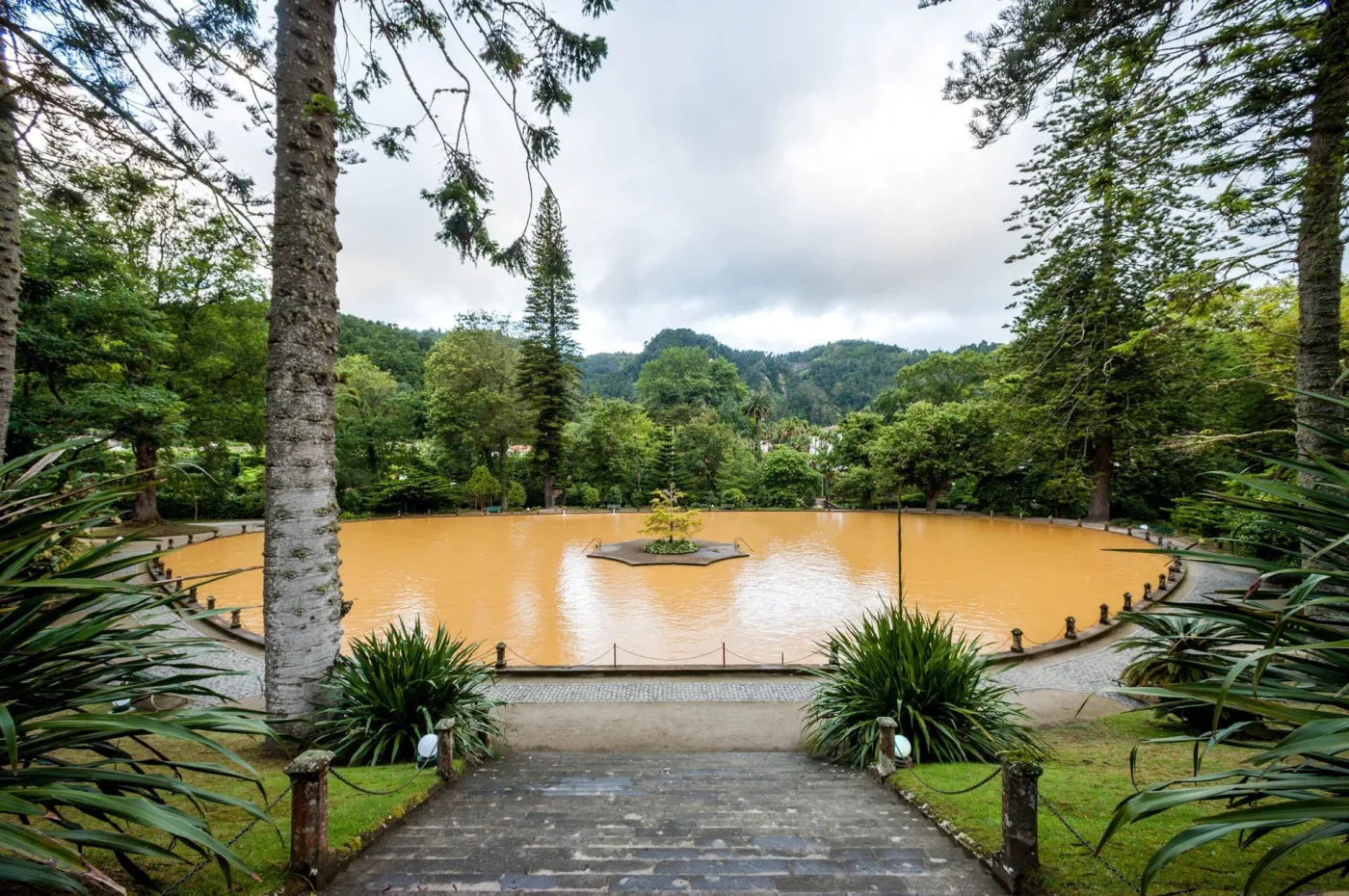
- Terra Nostra Garden thermal pool (€10, 10 min walk from Miroma/Tony’s). The iron-rich water is the colour of strong tea, stays warm year-round, and sits inside a 200-year-old botanical garden. Budget 90 minutes. Worth every hour of the lunch.
- Poça da Dona Beija (€10, 5 min drive). Four smaller pools, more intimate than Terra Nostra, open until 23:00 in summer. Better for an evening soak than a post-lunch one, but still a good move.
- The Furnas caldeiras in the village (free, 20 min walk). Boiling pots right in the middle of town — worth ten minutes on the way to lunch, not a standalone activity.
- Walk around Lagoa das Furnas (free, 1 hour flat loop). Best done before lunch, while you’re already there for the unearthing. Skip if it’s raining.
- Bolo lêvedo bakery on the main street (€1 per cake). Not a full stop, but grab one on your way back to the car. It’s the local muffin, slightly sweet, eaten with butter.
I’d avoid planning a second activity-heavy thing after cozido — no hikes, no long drives to viewpoints. Save those for a different day. Furnas rewards slowness, and the dish is designed to be slept on.
Common mistakes
1 — Not reserving. The biggest one. You can’t walk in. The pot was sized yesterday.
2 — Eating at 14:00 or later. The dish is best in the first hour it’s out of the ground. Book 12:30–13:00.
3 — Trying to pair it with Sete Cidades. Both are full-day experiences. Doing Furnas lunch and Sete Cidades viewpoints in one day means you’ll see the viewpoints in afternoon fog and eat lunch rushing. Do them on different days. The 5-day São Miguel itinerary and 7-day itinerary both separate them for this reason.
4 — Ordering cozido for one. The dish is designed to be shared. A full cozido portion in most restaurants will comfortably feed two adults if you’re not very hungry. For a solo traveller, a half portion (if offered) or a shared starter-plus-dessert is plenty.
5 — Skipping the pots being unearthed. Arriving at 12:45 for lunch means you miss the ritual. Arriving at 10:30 for the unearthing and then having lunch is the whole experience. Most tourists do half of it. The half they skip is the one that’s actually free.
6 — Ordering a big dessert. You won’t finish it. The cozido is slow-release fullness — you feel moderate at 14:00 and stuffed at 16:00. Get one dessert for the table, or skip it and grab a bolo lêvedo on the way out.
How to make cozido das Furnas at home
You can’t replicate the volcanic steam. That’s the honest answer. The geology of Furnas is the dish — six hours of stable, sulphur-laced 95°C heat coming up through the earth is something a kitchen oven approximates, not reproduces. What you can do is make a very good Azorean cozido at home that hits 80% of the same notes. Here’s how locals do it when they’re nowhere near a caldeira.
Ingredients (serves 4–6)
The full pot is a celebration dish. Scale down for a Sunday lunch.
| Layer | What goes in | Notes |
|---|---|---|
| Greens | 1 small cabbage, a bunch of collard greens or kale | Line the bottom of the pot |
| Roots | 4 medium potatoes, 2 sweet potatoes, 1 yam, 4 carrots | Whole, peeled |
| Meat | 500g beef shin, 400g pork belly, 1/2 chicken (jointed), 4 pork ribs | Bone-in cuts only |
| Sausage | 1 chouriço, 1 morcela (blood sausage), optional bacon | Pricked with a fork |
Salt, pepper, and a bay leaf is all the seasoning you need. No stock, no wine, no garlic — the meat and sausage do the flavour work. Buy decent cuts. The dish has nowhere to hide cheap meat.
The method (oven version)
The Azorean home version uses a heavy lidded pot in a low oven for six hours. It’s the closest a kitchen gets to volcanic steam.
- Layer the pot in this order from the bottom: greens, root vegetables, beef and pork, then chicken on top, then the sausages last.
- Add a teaspoon of salt, a pinch of pepper, one bay leaf. Nothing else.
- Pour in 200ml of cold water. Lid on, sealed tightly. Foil under the lid if your pot doesn’t seal cleanly.
- Oven at 110°C (230°F). Six hours. Don’t open it.
- Take the pot out. Rest 15 minutes. Serve everything on separate platters — meat one plate, sausage another, vegetables a third. Bread on the side.
A pressure cooker version takes 90 minutes at full pressure and gets you 70% of the way there. A slow cooker on low for 8–10 hours also works and is the most forgiving option. The oven version is the one most local home cooks use.
What you lose, what you keep
You lose the steam infusion of sulphur and minerals from the volcanic rock. The Furnas pots come out with a trace flavour you can’t get anywhere else, somewhere between bone broth and warm earth. The home version doesn’t have it.
What you keep is more than people expect. The slow rendering of fat into the vegetables, the way the cabbage absorbs everything, the falling-apart texture of the meat — all of that is just chemistry that any low oven will deliver. Eat it on a Sunday with the same wine you’d drink in Furnas (a Pico Verdelho or a young red from the Azores) and the dish makes sense even far from the caldeiras.
For the real version, the Furnas guide has everything you need to plan the day. The home version is for the months you’re not on São Miguel.
If you’d rather not sort out the reservation and the driving yourself, this guided Furnas tour includes a cozido lunch, plus the volcanic area and a tea plantation:
What to read next
- The full Furnas guide — everything else in the village: caldeiras walk, Terra Nostra, Poça da Dona Beija, where to stay if you want a night in Furnas rather than a day trip.
- Furnas Lake — the lake whose volcanic shore the cozido pots are buried in, and what else to see there.
- São Miguel food guide — where cozido sits in the island’s wider food culture, and what else to eat.
- 5-day São Miguel itinerary — Furnas as Day 3, with the timing rules that make it work.
- 7-day São Miguel itinerary — the slow version, where Furnas gets a relaxed full day.
- São Miguel itinerary guide — how many days you need, and every plan length compared.
- Best time to visit the Azores — for context on when the Furnas experience is best (short answer: any month).
And if you want a trip that optimizes for experiences like this alongside Sete Cidades, Lagoa do Fogo, and the rest of São Miguel, Pocket Guide Azores builds weather-aware day plans with the same local knowledge used in this guide — it knows which cozido restaurants to reserve, when to unearth the pots, and how to pair the lunch with a thermal soak instead of a hike you’ll regret at 15:00.
Frequently asked questions
What is cozido das Furnas? +
Cozido das Furnas is a slow-cooked stew of beef, pork, chicken, morcela (blood sausage), chouriço, cabbage, carrots, potatoes, sweet potatoes, and yams — layered in a tall metal pot and buried in a volcanic hot spring for six to seven hours. The ground does the cooking. It's the only dish in Europe cooked this way and the reason Furnas is worth a lunch trip.
Where should I eat cozido in Furnas? +
Three serious options: Restaurante Miroma (classic, consistent, a favorite with locals — €20–€25), Tony's Furnas (more tourist-famous, same quality, €22–€28), and Terra Nostra Park Restaurant (upscale with a view, €28–€35, the pot comes from the same springs). For a first visit, I'd send you to Miroma — it's the least staged and the version that tastes most like a local Sunday lunch.
How much does a cozido lunch cost? +
Roughly €20–€35 per person depending on the restaurant, before drinks. The cozido itself is usually a set price (€20–€28), includes bread and a small starter, and is enough food for two in most cases if you're not very hungry. Wine by the glass €3–€5, a bottle of Pico Arinto or Verdelho €18–€28.
Do I need to reserve cozido das Furnas? +
Yes — at least one day ahead, always. Miroma and Tony's sell out daily. The pots are buried at dawn, which means the kitchen knows exactly how many portions are coming up — no walk-ins after the morning. Phone the day before, or email — both restaurants are reachable. Reservations are the one thing that breaks most Furnas day plans, and it's an easy fix.
Is cozido das Furnas vegetarian-friendly? +
Honestly, no. The dish is meat-centred — you can ask for a plate of just the vegetables (cabbage, yam, sweet potato, carrot) and most restaurants will do it without complaint, but you're eating the side of the dish, not the dish itself. If you're a vegetarian travelling with meat-eaters, come for the atmosphere and the vegetable plate. If you're a solo vegetarian, there are better uses of a Furnas lunch.
Can I see the cozido pots being unearthed? +
Yes — go to Lagoa das Furnas around 10:30–11:00. The restaurants send staff to dig up the pots from the caldeiras on the lake shore, wrap them in cloth and jute, and load them onto pickup trucks. It's a short ritual, totally free, and takes 30–40 minutes end to end. Watching it is the best 'first course' for the lunch itself.
Is cozido worth a special trip to Furnas? +
If you're already on São Miguel, yes, absolutely — make it the anchor of a full Furnas day. If you're on a tight 3-day itinerary and considering driving 50 minutes each way just for lunch, it's still worth it, but only because you're not really going for lunch — you're going for the day (cozido + caldeiras walk + Terra Nostra thermal pool). As a standalone food experience, it's a good stew cooked in an unusual way. As a day, it's one of the three best experiences on the island.
How long does a cozido lunch take? +
Budget 90 minutes to 2 hours. The dish comes out staged — bread and a small starter first, then the vegetables and meats on separate platters. It's designed to be eaten slowly, with wine, like a Sunday family lunch. Don't book anything else before 14:30. You'll feel rushed and you'll miss the point of the meal.