
Also available in Português
What to Eat in São Miguel, Azores: A Local's Food Guide
What to eat in São Miguel, Azores — cozido das Furnas, grilled limpets, queijadas, Azorean pineapple, and where locals actually order each dish on the island.
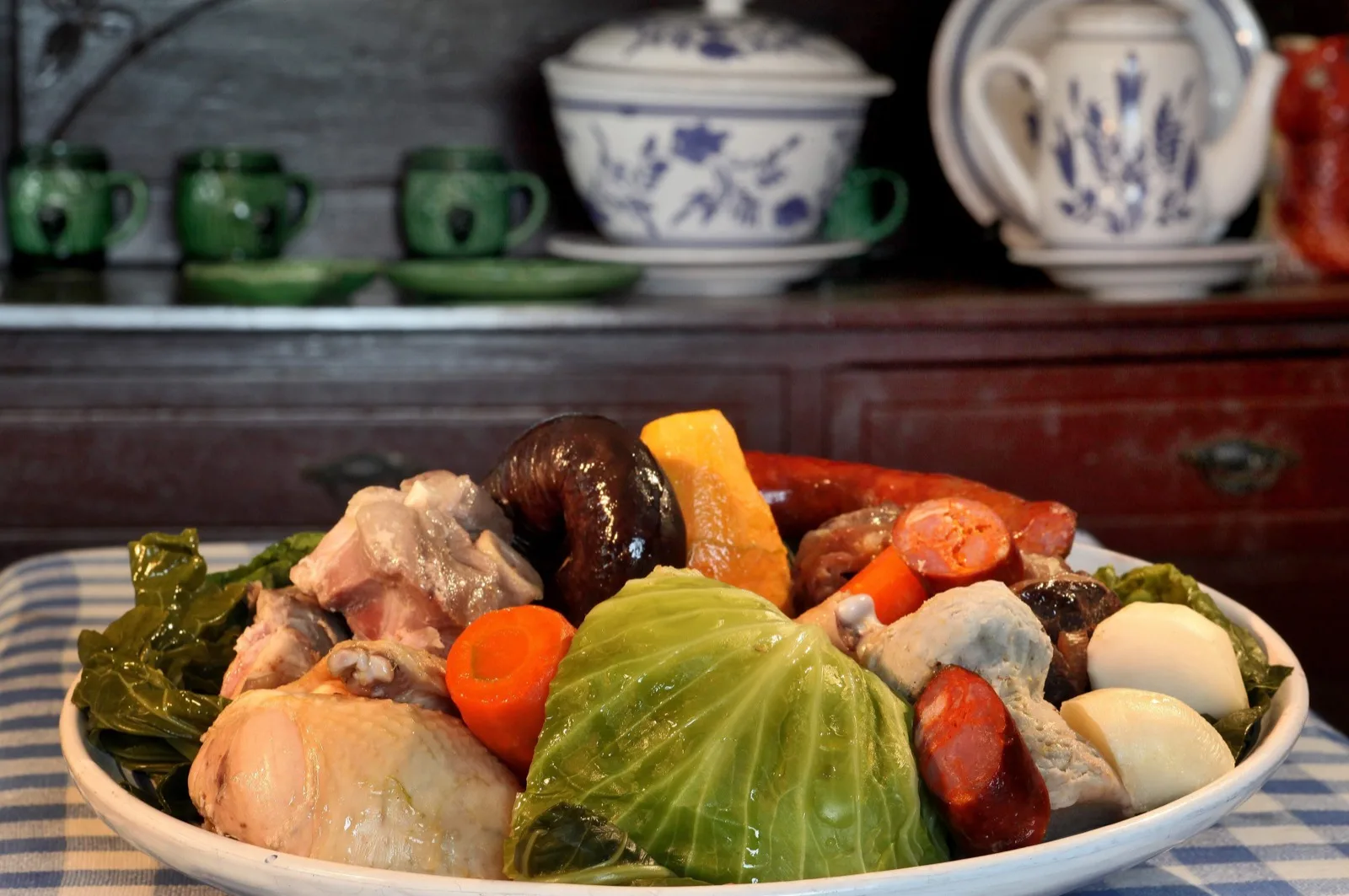
Nobody warns you about what to eat in São Miguel, Azores. You book the island for the lakes, the volcanic steam climbing off caldeiras at dawn, the green that hits you like a wall when you leave the airport. And then you sit down at some worn-plastic-table tasca in Furnas and eat the best meal of your trip. Cozido that has been cooking underground since eight in the morning. Bread still warm from the padaria two streets over. Local wine that costs less than a bus ticket. You put your fork down at some point and think: I should have planned more time around the eating.
I grew up on this food. This guide is not a ranking of places that got good TripAdvisor reviews — it is the food I actually steer people towards when they ask me what not to miss in São Miguel, and honest notes on where to find each dish at its best.
What to eat in São Miguel, Azores: the dishes
Cozido das Furnas is where most visitors start, and rightly so. It is a one-pot stew — beef, chicken, pork, blood sausage, chouriço, potatoes, cabbage, carrots, kale — but the cooking method is what makes it an event: the pots go into the ground at volcanic vents in Furnas village, where geothermal heat does the work overnight. You eat it around noon. The fat has fully rendered, the meat falls apart, the broth absorbs something elemental from hours in the earth. The flavour is not aggressive or complex — it is deeply, quietly correct. I have eaten this meal probably two hundred times in my life and I have never once thought it was average. The full breakdown of where to book and how to plan the day is in the cozido das Furnas guide. Short version: book ahead, go hungry, skip breakfast that day.
Lapas are grilled limpets — the aperitivo that defines eating by the water in the Azores. They come on a cast-iron plate, shells still on, topped with butter, garlic and a squeeze of lemon. The texture is firm and briny, somewhere between squid and cockle. You eat them with bread. You order another round. Most seafood restaurants serve them — many tascas near the coast do too. Order them first while you wait for your main — they are cheap, they come fast, and they set the tone for the rest of the meal. If a restaurant serves bad lapas, the rest of the menu is probably not worth your time either.
Chicharros are fried horse mackerel — cheap, simply seasoned, deeply local. A plate of chicharros with batatas cozidas and a green salad is what people on this island actually eat for lunch most days. You will find them on daily specials boards, at market stalls, at any tasca that is not optimised for tourists. They will not look exciting on the plate. That is not the point. The unpretentiousness is precisely what makes them honest food.
Ananás dos Açores — Azorean pineapple — is grown in greenhouses scattered around the island, a surviving relic of 19th-century horticulture that never made it to industrial scale. The fruit is much smaller than supermarket pineapple, roughly the size of a large apple, with a yellow-green skin and an intensity of sweetness that bears no resemblance to imported tropical fruit. There is a kind of acidic brightness underneath the sweetness that lingers. Buy one fresh at the Mercado da Graça, eat it the same day, and accept that all pineapple you eat after leaving the Azores will taste like a compromise.
Queijo da ilha is the aged local cheese — firm, salty, nutty, sometimes sharp depending on age. The most celebrated version comes from São Jorge island, though it is widely available across São Miguel in every supermarket and market stall. Younger wheels are milder — ask what age they have. A softer daily cheese called queijo fresco is the breakfast staple: mild, slightly tangy, eaten with fresh bread and a generous amount of local butter. The butter — manteiga dos Açores — deserves its own mention: the island’s volcanic grasslands produce some of the richest dairy in Europe, and the butter is noticeably better than what you are used to. This is not a food writer cliché. It is just accurate.
Caldeirada is the fish stew — layers of potato, onion and whatever came off the boat that morning, seasoned simply and simmered until the fish gives up completely. Lighter and more broth-forward than mainland Portuguese versions, more Atlantic in character. Order it at any restaurant listing it as the day’s special. Avoid it at tourist-facing places where it has been sitting in a container since midday — reheated caldeirada loses everything that makes it worth eating.
Alcatra is worth a separate note. It is technically a Terceira island dish — a slow-baked beef stew in a clay pot with red wine, allspice, cinnamon and bacon — but it appears occasionally on São Miguel menus and is genuinely worth ordering when you see it. The proper version takes 5-6 hours in a wood oven and the flavour reflects that. Most visitors miss alcatra entirely because they do not know to ask for it. The full breakdown of what it is, where to eat the real thing, and how to cook it at home is in the alcatra guide. If your trip extends to Terceira, prioritize trying it there.
Eating in Ponta Delgada: Where Locals Go
The capital is where most visitors base themselves, which means it is also where tourist-facing restaurants cluster thickest. The waterfront promenade near the marina has good views and predictable food at elevated prices. Walk back two or three streets and the pricing and the cooking both improve.
Mercado da Graça — the covered municipal market on Rua do Mercado — is the most useful single stop in the city. It is not a modern food hall — it is a working market with produce vendors, cheese and charcuterie stalls, and a few lunch counters where you eat a full meal for €8–12 standing at a high table or on a stool. The daily specials are written on a board and change with what came in. Go before 1pm. The lunch counters empty by 2:30 and some vendors start packing up shortly after. Even if you are not eating, the market is worth thirty minutes for the cheese and local produce alone.
Tascas are the category you are actually looking for: neighbourhood restaurants with plastic tablecloths, chalkboard specials, wine by the ceramic jug, and lunch hours that end hard. They are not easy to find on maps because most have no digital presence. Look for places with handwritten menus in the window and a full room of locals. If the room is mostly tourists, walk further. The food at a real tasca is reliably better and the bill will be significantly lower.
| Type | Typical lunch pp | Dinner? | Notes |
|---|---|---|---|
| Tasca | €10–16 | Rarely | Daily fish and meat, wine by jug |
| Mercado da Graça | €8–12 | No | Fast, local, market-stall format |
| Mid-range restaurant | €18–28 | Yes | Menu, local dishes, tourist-accessible |
| Waterfront promenade | €25–40 | Yes | Views, standard food, tourist pricing |
On reservations: tascas do not take them — show up, wait if it is full, leave if the wait is long because another one is nearby. Restaurants do take reservations, increasingly necessary from June through September. For cozido in Furnas, a reservation is not optional at peak season. The Furnas guide covers the full logistics of planning that day.
Coffee deserves a separate mention because the quality-to-price ratio is exceptional. An espresso (café) costs €0.70–1.00 at a padaria or neighbourhood café. The longer version is abatanado — milky coffee is galão or meia de leite. Several specialty roasters now operate in Ponta Delgada if you want something more specific. The historic option is Café Nimas near the main square — open since the 1970s, still priced for locals, and worth thirty minutes of any morning you are not rushing somewhere.
Eating Around the Island
The food does not get worse when you leave the capital. In most cases it gets better.
Furnas is the food anchor of the island, full stop. Even if you are not spending the night, a lunch stop built around cozido — with a walk through the geothermal caldeiras before or after — is one of the better things you can do in São Miguel. The restaurants near the volcanic vents all use the same underground cooking method — differences between them are real but minor. Reserve a place, arrive a little before noon, eat slowly, and plan your day around this meal rather than fitting it in around everything else. The Furnas village guide covers what else to do while you are there and which restaurant to target.
Ribeira Grande on the north coast is the island’s second-largest town, with significantly less tourist infrastructure and noticeably better-value eating than Ponta Delgada. A lot of the island’s dairy farming concentrates in this area. Tascas on the main street serve lunch only: daily fish specials, rice, batatas cozidas, local cheese at the table as a matter of course. It is what eating on the island looked like before tourism arrived and largely still does. If you are driving the north coast road, stop here for lunch.
Vila Franca do Campo to the southeast is the spot for lapas eaten by the water. The seafront restaurants here are priced for residents, not tourists, and the difference shows on the bill. Order lapas, chicharros and a half-carafe of local white wine. Watch the boats. Leave when you are full, not when they rush you — they will not rush you.
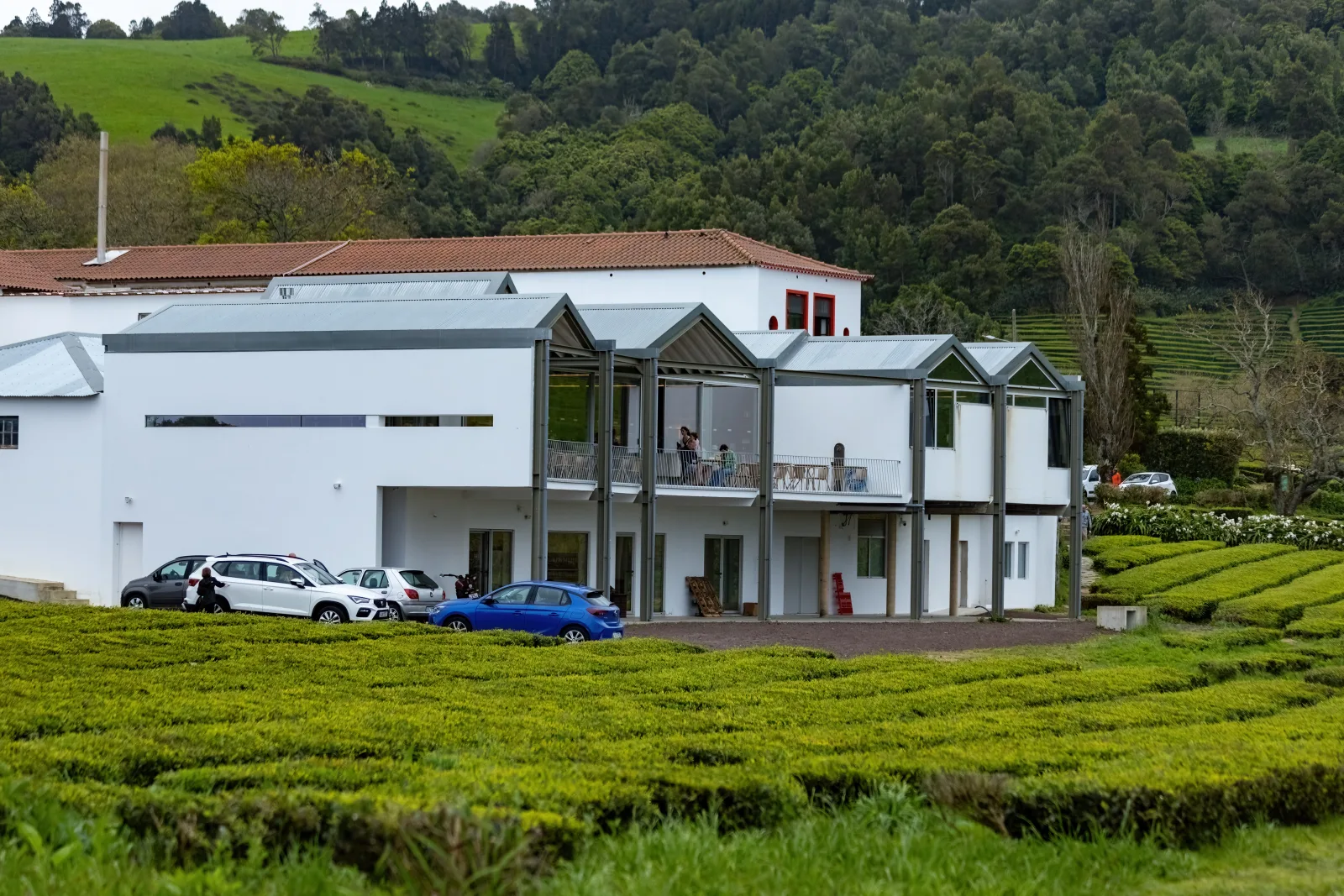
The Gorreana tea estate on the north coast is not primarily a food stop but it earns a mention because it is the oldest tea plantation in Europe still in operation and the only one in the Azores. The tea is sold at the estate and increasingly in Ponta Delgada shops. Black, green, and orange pekoe varieties, all grown on the island, all genuinely good. It is a free visit with a short walk through the terraces. If you are already on the north coast for the caldeira at Caldeira Velha or the drive to Nordeste, it is thirty minutes that pays off.
Roadside stalls — especially along the road toward Nordeste and around larger village market days — are the most direct route to Azorean pineapple, local honey and homemade jam from June through September. They do not appear on maps. They appear at the side of the road with a handpainted sign. Stop. The prices are honest, the product came off the land within the week, and you are dealing directly with the person who grew it.
On timing: lunch is the serious meal across the island, noon to roughly 2:30pm. Most tascas do not offer dinner at all — those that do start after 7:30pm. On the east coast and in smaller villages, dinner options outside a hotel shrink to near zero by 8pm. Plan accordingly — eat lunch like it matters, because here it does.
What to Drink and What to Bring Home
Beer: The local option is Lusitana — a pale lager brewed on the island, cold, exactly what you want after a morning on a coastal trail. Super Bock and Sagres are available everywhere as the wider Portuguese market, but local is better here and usually the same price.
Wine: The Azores are a protected DOP wine region. The most talked-about wines come from Pico island — Verdelho whites grown in UNESCO-listed lava-field vineyards, dry and mineral, with a flinty character that suits Atlantic fish well. They are widely stocked in Ponta Delgada restaurants and wine shops. São Miguel also produces some table wines and lighter rosés worth trying. At any decent restaurant, ask what they have from the Azores specifically before defaulting to the house wine.
Spirits and liqueurs: Aguardente is the local spirit — clear, strong, unrefined for export, not particularly subtle. The licor de ananás (pineapple liqueur) is sweeter and far more Azorean in character, made from the greenhouse pineapple that grows nowhere else. Both come in small bottles convenient enough to carry in hand luggage. Both are worth the bag space.
What to bring home:
| Item | Where to buy | Notes |
|---|---|---|
| Queijo da ilha | Mercado da Graça, supermarkets | Buy vacuum-packed — travels well |
| Manteiga dos Açores | Any supermarket | Salted, green packaging — genuinely exceptional |
| Ananás dos Açores | Mercado, roadside stalls | Fresh fruit or as jam |
| Biscoitos | Supermarkets, souvenir shops | Dry anise cookies, light and giftable |
| Licor de ananás | Everywhere | Small bottles at every souvenir shop |
| Verdelho wine | Wine shops, airport | Check airline bottle limits |
| Gorreana tea | Estate shop, Ponta Delgada delis | Grown on-island, not widely exported |
And if you would rather not assemble all of this yourself — figuring out which village has a market on which morning, which restaurants near a specific lake are worth the detour, or how to build a food-centred afternoon around Furnas without the logistics eating your whole day — Pocket Guide Azores is the AI travel planner built for exactly that, by someone who grew up eating this food and still lives here.
If you’d rather taste your way through this alongside someone who knows the producers, these are bookable in advance:
The Bottom Line
São Miguel’s food landscape is not wide by European standards. There are no Michelin stars, no destination-restaurant scenes, no food festivals that travel publications fly out to cover. What there is instead: volcanic cooking that has no real parallel anywhere else, Atlantic fish eaten closer to where it was caught than almost any mainland European option, dairy from some of the most productive grasslands in the world, and a food culture that developed for the people who live here — not for tourism — and mostly still operates that way.
The things worth keeping in mind before you arrive:
- Book cozido das Furnas before you land — not a walk-in experience during peak months, and the disappointment of missing it is real
- Order lapas at every opportunity — quality varies between restaurants and the best versions are genuinely memorable
- Eat lunch as the main meal — tascas close by 3pm and do not hold tables
- Walk into the Mercado da Graça at least once — cheese, pineapple, butter, ten minutes and you will leave carrying something good
- Try Azorean pineapple fresh if your timing allows — the liqueur version is pleasant but is not the same experience
If you are building a full plan around the island, the 3-day São Miguel itinerary and the 5-day São Miguel itinerary both weave food stops into the daily structure alongside hikes, viewpoints and the lakes. The best days on this island usually involve both. Plan accordingly.
To go deeper: the Azores culture guide covers the history and traditions behind the food, and Rabo de Peixe — the island’s biggest fishing town — is where much of the fresh Atlantic catch on your plate is landed.
Frequently asked questions
What is the most famous food in the Azores? +
Cozido das Furnas is the most iconic dish — a slow-cooked one-pot stew made underground by volcanic heat in Furnas village. It is unmissable in São Miguel.
Are there vegetarian options in São Miguel restaurants? +
Traditional tascas are meat and fish heavy. Ponta Delgada has cafés and modern spots with vegetarian choices. Soups, cheeses, fresh bread and salads are available everywhere.
How much does a meal cost in São Miguel? +
A full lunch at a local tasca runs €10–16 per person including wine. Waterfront restaurants in Ponta Delgada charge €20–35. The Mercado da Graça is cheapest at around €8–12.
Where can I buy Azorean food to take home? +
The Mercado da Graça in Ponta Delgada stocks local cheeses, butter, tea, pineapple jam and canned goods. Supermarkets also carry queijo da ilha, manteiga dos Açores and biscoitos.
What is Azorean pineapple and where can I try it? +
Azorean pineapple is a small, intensely sweet variety grown in greenhouses in São Miguel. Find it at Mercado da Graça, roadside stalls and as jam or liqueur in specialty shops.