
Also available in Português
Azores Pronunciation, People & Culture: A Local's Primer
How to pronounce Azores, who Azores people are, what language and currency they use, the festas, and the cultural primer a first-time Azorean visitor needs.
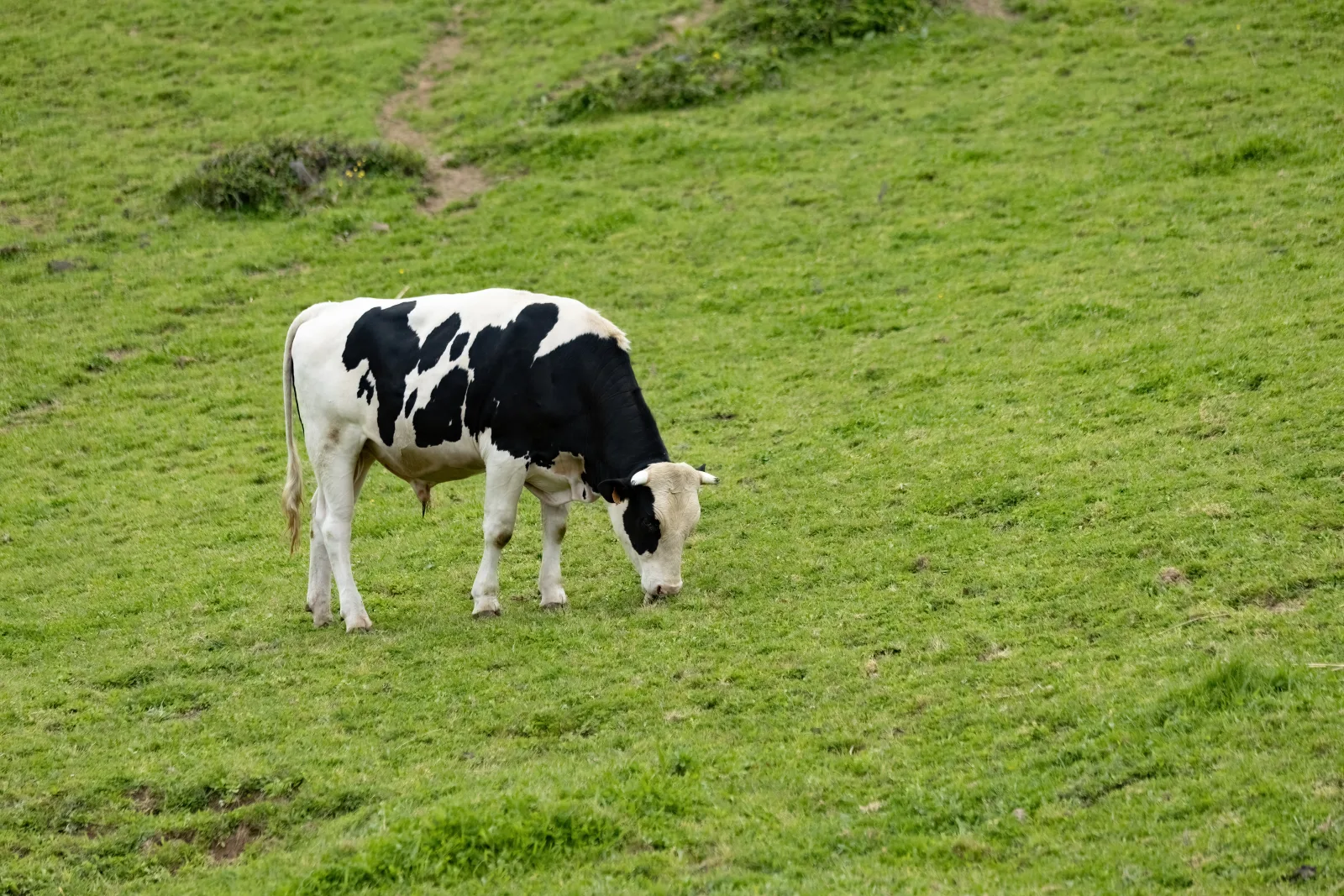
Azores people are Portuguese, mostly — but with a distinctive island culture shaped by 600 years of mid-Atlantic isolation, a Flemish settler injection, and a diaspora that’s larger than the resident population. The islands have their own time zone, their own accent of Portuguese, and a calendar of religious festivals you don’t see anywhere else in Europe.
I live on São Miguel. This guide is the cultural primer I wish I could hand to every visitor — how to pronounce “Azores” properly, who Azoreans are, what we eat, what we celebrate, and the practical details (language, currency, capital) that come up in every first conversation. If you’re coming to the islands, this is the part of the trip planning that no airport guide covers.
For the broader geography and “where are the Azores” basics, the where are the Azores guide is the prerequisite. This one is about the people.
How to pronounce Azores (and Açores)
The Portuguese name of the islands is Açores — pronounced ah-SOR-esh. Three syllables, stress on the middle one, with two key sounds non-Portuguese speakers usually miss:
- The ç (c-cedilla) makes an “s” sound — like a snake hissing
- The final “s” is pronounced like English “sh” — a feature of European Portuguese
The full IPA notation is [ɐˈsoɾɨʃ].
In English, two pronunciations are common and both accepted:
| English pronunciation | How to say it | Where you’ll hear it |
|---|---|---|
| AY-zorz | Rhymes with “doors” with AY at the start | Most US/UK travel media, airlines |
| uh-ZORZ | First syllable schwa, stress on ZORZ | Some British and academic usage |
Neither English version is “wrong” — but if you want to sound like you’ve been here, learn the Portuguese ah-SOR-esh. Airlines, taxi drivers, and locals will use this version. Listen to native speakers on Forvo for the audio.
Who are the Azores people (Azoreans)?
Azoreans (Açorianos in Portuguese) are the people of the Azores — both islanders and diaspora. Around 242,000 people currently live in the Azores. But the diaspora — people of Azorean descent living abroad — is estimated at over 800,000, which means more Azoreans live outside the islands than on them.
The genetic and cultural origin is mixed:
- Mainland Portuguese (60% of paternal lines) — Algarve, Alentejo, northern Portugal
- Flemish settlers — arrived 1466, especially on Faial and Pico
- Smaller historical groups — Jews, sub-Saharan Africans, North Africans, Spaniards, Bretons
This produces an islander culture that’s recognizably Portuguese but with a Northern European agricultural sensibility (dairy farming, stone-walled fields) and a maritime outlook from 600 years of Atlantic shipping. Walk around any Azorean village and you’ll see hydrangeas in front of houses that wouldn’t look out of place in rural Holland — except set against volcanic hills.
For an island-by-island breakdown of where Azoreans actually live today, the Azores map and island names guide covers population by island.
The Azorean diaspora: more abroad than at home
Three major waves of emigration since the 19th century shaped the modern Azorean diaspora:
- 1800s whaling boom — Azorean men joined American whaling ships out of New Bedford, Massachusetts, settled in coastal New England
- Mid-20th century — economic migration to the US (California, Hawaii) and Canada (Toronto, Montreal)
- 1980s onwards — smaller flows continuing to Brazil, Bermuda, and Western Europe
Approximate diaspora distribution today:
| Country/region | Estimated population |
|---|---|
| Southeastern New England (Massachusetts, Rhode Island) | ~150,000 |
| Canada (mostly Ontario and Quebec) | ~160,000 |
| California | ~100,000 |
| Hawaii | ~20,000 |
| Brazil, Bermuda, mainland Portugal | smaller |
What’s striking is how strongly the diaspora retains Azorean culture. Festa do Espírito Santo is celebrated in Fall River, Massachusetts the same week it happens in São Miguel — same procession, same soup, same hymns. Multi-generation Portuguese-Americans in New England can usually point to which Azorean island their family is from.
If you have Azorean heritage and you’re visiting, the islands are full of people happy to talk about where your family came from. Walking into any village café and saying “my grandfather was from here” is one of the warmest interactions you can have in the Atlantic.
What language is spoken in the Azores?
Portuguese. Identical written language to mainland Portugal — same grammar, same spelling, same vocabulary. The spoken Azorean accent has its own quirks:
- Flatter, more open vowels than Lisbon Portuguese
- Softer consonants in some positions
- Slower pace than Lisbon (a real local pattern, not just stereotype)
- Some island-specific vocabulary — small fish names, agricultural terms, weather words
Mainland Portuguese visitors sometimes find rural Azorean accents harder to understand than they’d expect. Within the Azores, each island has its own accent variations — São Miguel is recognizably different from Terceira or Pico to a trained ear.
English in the Azores:
- Excellent — hotels, tour operators, car rental at PDL/TER airports, larger restaurants in Ponta Delgada and Horta
- Hit-or-miss — smaller towns, older locals
- Limited — rural villages, fishing communities
A handful of polite Portuguese words goes a long way. Try “obrigado/obrigada” (thank you, men/women), “bom dia” (good morning), “se faz favor” (please).
A short history of the Azores
The islands were uninhabited when Portuguese navigators arrived. Santa Maria was reached on 15 August 1432, with subsequent voyages discovering the rest of the archipelago over the next 20 years. Permanent Portuguese settlement began in 1439.
| Year | Event |
|---|---|
| 1432 | Santa Maria first reached by Portuguese ship |
| 1439 | Permanent settlement begins (Algarve, Alentejo, northern Portugal settlers) |
| 1466 | First Flemish settlers arrive (Faial, Pico) |
| 1500s | Important Atlantic shipping waypoint for Spanish-American treasure routes |
| 1582 | Spanish Iberian Union — Azores fall under Spanish-Portuguese joint crown |
| 1640 | Portuguese independence restoration |
| 1800s | Whaling boom, first major Azorean emigration to USA |
| 1957 | Capelinhos volcanic eruption on Faial triggers another emigration wave |
| 1976 | Azores granted autonomous status within Portugal |
The 1500s shipping era left a lasting mark — Angra do Heroísmo on Terceira was one of the most strategically important ports in the Atlantic and is now a UNESCO World Heritage city (more in the Terceira island guide).
The capital of the Azores
A common question with three honest answers, depending on which function of government you mean.
| City | Island | Role |
|---|---|---|
| Ponta Delgada | São Miguel | Seat of the regional executive (President of the Regional Government) — largest city, international airport |
| Horta | Faial | Seat of the Regional Legislative Assembly (regional parliament) |
| Angra do Heroísmo | Terceira | Seat of the regional judiciary, UNESCO World Heritage city — historically the original capital |
For travel purposes, Ponta Delgada is the practical capital — it’s where you fly into (PDL airport), where the largest restaurant and hotel concentration is, and where the regional government works day-to-day. Maps and tour operators consistently list Ponta Delgada when they say “capital of the Azores.”
Currency in the Azores
The euro (€). Identical to mainland Portugal and the rest of the eurozone. Visa and Mastercard work everywhere — American Express has lower acceptance. ATMs are common in towns and at PDL airport. Cash is still useful for small villages, taxis, and rural markets. There’s no exchange-rate issue when arriving from anywhere else in Europe.
Rough cost expectations to give you a sense of the local economy:
| Item | Typical cost |
|---|---|
| Coffee (espresso) | €0.80 – €1.20 |
| Bottle of water | €0.50 – €1.00 |
| Lunch at a local tasca | €10 – €16 |
| Dinner at a tourist-facing restaurant | €25 – €35 |
| Glass of local wine | €3 – €5 |
| Rental car (economy, per day) | €70 – €80 |
| Mid-range hotel (per night) | €90 – €160 |
For deeper planning, the vacation packages guide breaks down full-trip costs.
Azorean cuisine: what the islands eat
Azorean food is island-specific, slow-paced, and rooted in dairy farming + Atlantic fishing. Different islands specialize in different dishes — there’s no single “Azorean food,” there are 9 islands’ worth.
The signature dishes worth knowing:
| Dish | Island | What it is |
|---|---|---|
| Cozido das Furnas | São Miguel | Meat-and-vegetable stew cooked underground at volcanic vents |
| Alcatra | Terceira | Slow-baked beef stew in a clay pot with red wine and spices |
| Queijo de São Jorge | São Jorge | Aged hard cheese, one of Portugal’s most celebrated |
| Lapas grelhadas | All islands | Grilled limpets with butter and garlic |
| Chicharros | All islands | Small fried mackerel — the “poor man’s fish,” staple lunch |
| Cracas | Mainly central group | Boiled barnacles, served chilled — acquired taste |
| Ananás dos Açores | São Miguel | Small, intensely-sweet greenhouse-grown pineapple |
| Queijadas | São Miguel / Vila Franca | Sweet cheese pastries |
The two dishes that most define Azorean food culture are cozido das Furnas (a São Miguel volcanic spectacle) and alcatra (Terceira’s slow-baked clay-pot stew). For the full São Miguel-focused list, the São Miguel food guide covers what to order and where.
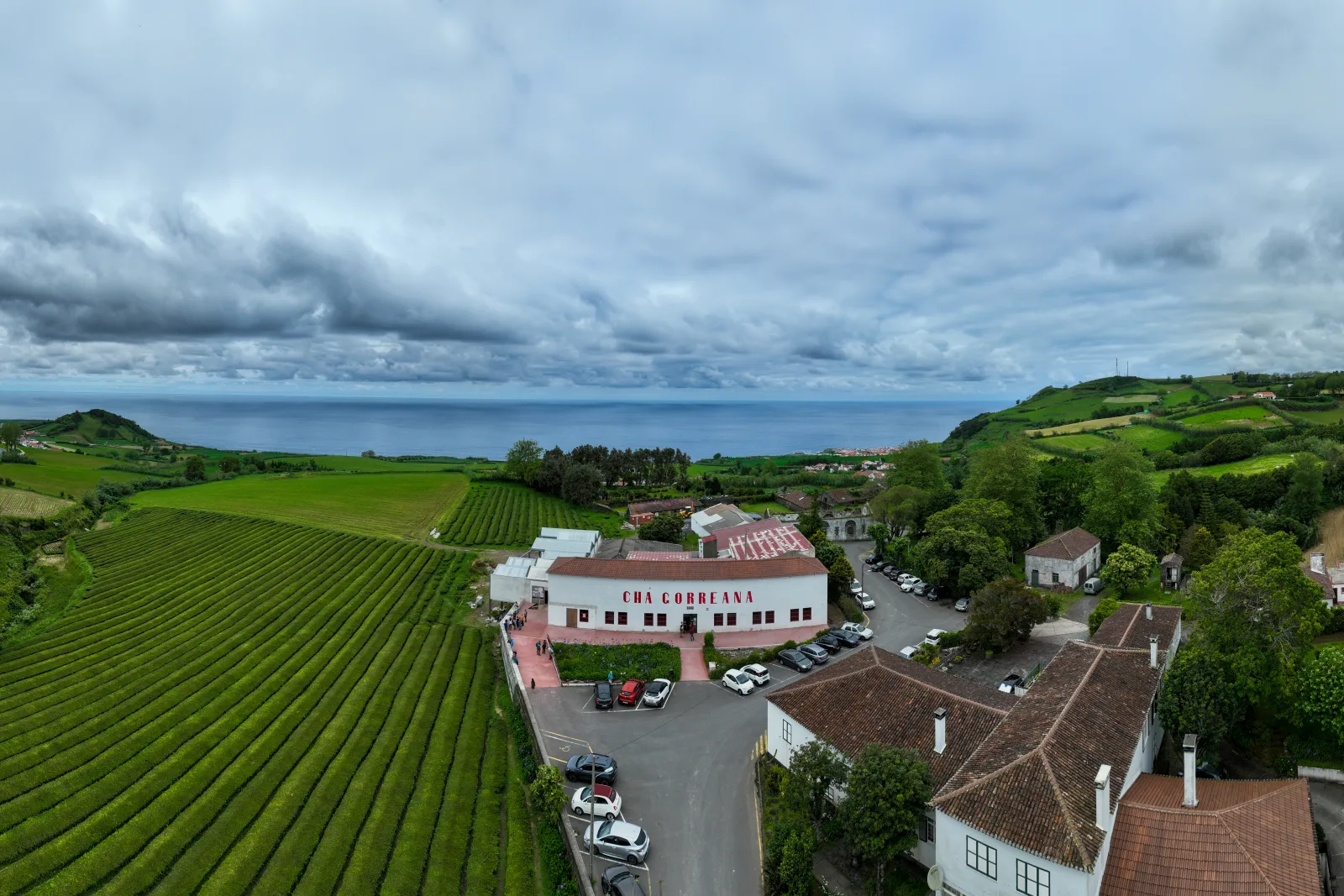
Also worth knowing: the Azores produces the only tea in Europe. Chá Gorreana on São Miguel has been operating since 1883, exporting black and green tea grown in the volcanic soil of the north coast.
The festas calendar — when the islands come alive
The Azorean cultural calendar is built around religious festivals. Three you should know:
Festa do Espírito Santo (Holy Spirit Festival)
The most distinctive Azorean tradition. Every parish on every island has at least one Império — a small, brightly coloured chapel-like building with two windows, a central door, and a crown on top. The festas run every Sunday for seven weeks after Easter, rotating across parishes.
The core ritual: a coronation, a procession, and free food distribution at long communal tables — sopas do Espírito Santo (Holy Spirit soup of bread, meat, and broth) is served free at the Império. Anyone can attend. Tourists are welcome.
Where to see it: Terceira has the most concentrated festas calendar, but every island participates. Most active April-June on São Miguel, May-September archipelago-wide.
Senhor Santo Cristo dos Milagres
The largest religious festival in the Azores. Held in Ponta Delgada (São Miguel) on the 5th Sunday after Easter. A 16th-century statue of Christ is processed through the city in front of tens of thousands of pilgrims, many returning from the diaspora specifically for this. Hotels in Ponta Delgada sell out months in advance. If you want to see it, book early — see the best month to visit guide for date alignment.
Sanjoaninas
Terceira’s signature folk festival. Held in late June in Angra do Heroísmo. Traditional bullfights (rope bullfights, non-lethal — see the Terceira guide for context), folk dance, music, food, parades. The most vibrant week to be on Terceira.
Other smaller festas worth knowing if your dates align: Festas da Praia (Praia da Vitória, August), Festas do Mar (Horta, August), and Festas Senhora da Saúde (Furnas, September).
Common cultural mistakes visitors make
1 — Treating the Azores like mainland Portugal. The islands are culturally distinct — different accent, different food traditions, slower pace, more religious calendar. Don’t expect Lisbon and you won’t be disappointed.
2 — Eating only in tourist restaurants. The best food on the islands is at small tascas in working villages. Mercado da Graça in Ponta Delgada, family kitchens in Furnas, fishermen’s restaurants in Lajes do Pico. Tourist-strip menus are often dialled-down versions of real Azorean cooking.
3 — Skipping the festas. If your trip overlaps with a major festa, prioritize it. Cultural experiences this immersive are rare in modern Europe.
4 — Assuming English everywhere. It mostly works in tourist-facing spots, but in rural villages, smaller restaurants, and with older locals, you’ll need basic Portuguese phrases or patience.
5 — Mispronouncing “Açores” all week. Locals don’t mind — they hear it constantly. But learning ah-SOR-esh in the first 30 minutes earns you a small smile every time.
6 — Confusing Azoreans with Madeirans. Both are Portuguese island groups, both have diaspora communities, but they’re 1,000 km apart and culturally distinct. Don’t ask an Azorean “is Madeira nearby?” — the Azores vs Madeira guide covers the differences.
If you’d rather have an Azorean trip that builds the festas calendar, food specialties, and cultural pacing into your itinerary automatically, Pocket Guide Azores is the AI travel planner built by someone who lives here.
The bottom line
Azores people are Portuguese with an island-shaped identity. 600 years of Atlantic isolation, a Flemish settler injection, and a diaspora three times the size of the local population have produced a culture that’s recognizably Portuguese but distinctly Azorean. Different food, slower pace, stronger religious calendar, regional accent.
The pronunciation matters less than the curiosity. Ah-SOR-esh if you want to sound like you’ve been here. AY-zorz if you want to be understood by other English speakers. Both work. What matters more is showing up open to the festas, the cozido lunch that takes three hours, and the tasca where the waiter speaks slow Portuguese because he’s not used to tourists. The islands reward that.
What to read next
- Where are the Azores? — geography and orientation
- Azores map and island names — all 9 islands and how they fit
- Cozido das Furnas guide — São Miguel’s signature dish
- Alcatra: Terceira’s beef stew — Terceira’s signature dish
- Best month to visit the Azores — align with a festa
Frequently asked questions
How do you pronounce Azores? +
Two pronunciations are commonly accepted. In English, most travellers say AY-zorz (rhymes with 'doors') or uh-ZORZ. In Portuguese, the islands are called Açores, pronounced ah-SOR-esh — three syllables, stress on the middle, the ç makes an 's' sound, and the final 's' is pronounced like the English 'sh'. The IPA is [ɐˈsoɾɨʃ]. Both English pronunciations are fine in conversation; the Portuguese version is what you'll hear from locals and what airlines announce.
What are people from the Azores called? +
Azoreans (or 'Açorianos' in Portuguese). The term applies to anyone born on the islands or descended from Azorean families. Around 242,000 Azoreans live in the Azores today, but the diaspora is much larger — an estimated 800,000 people of Azorean descent live outside the islands, mostly in California (~100,000), Southeastern New England (~150,000), Canada (~160,000), and Hawaii (~20,000). More Azoreans live abroad than at home. The diaspora retains strong cultural ties — festas do Espírito Santo are celebrated in Fall River, Massachusetts the same week they happen in São Miguel.
What language do they speak in the Azores? +
Portuguese, with a distinct regional accent. Azorean Portuguese has its own pronunciation patterns — vowels are flatter, some consonants softer, and a handful of words are unique to the islands. Mainland Portuguese speakers can occasionally struggle to understand strong rural Azorean accents, though the written language is identical to standard Portuguese. English is widely spoken in tourist-facing places (hotels, restaurants, tour operators, car rental desks at PDL airport). Outside main towns, English is hit-or-miss — most younger people speak it, older locals often don't.
What is the capital of the Azores? +
It depends on what part of government you mean. Ponta Delgada on São Miguel is the seat of the regional executive (the President of the Regional Government) and the largest city — for travel purposes, this is the capital. Horta on Faial is where the Regional Legislative Assembly (regional parliament) meets. Angra do Heroísmo on Terceira is the seat of the regional judiciary and a UNESCO World Heritage city — historically the original capital of the Azores before the function was split across three islands. Most maps and travel guides list Ponta Delgada.
What currency is used in the Azores? +
The euro (€). The Azores are part of Portugal and the eurozone, so the currency is identical to mainland Portugal, Spain, Germany, France, and the rest of the EU. There's no separate Azorean currency. Cards are widely accepted in cities and most restaurants — Visa and Mastercard work everywhere. American Express has lower acceptance. Cash is still useful for smaller villages, taxis, and some local markets. ATMs are common in towns. There's no exchange-rate issue when travelling from elsewhere in the eurozone.
What is the main Azorean food? +
It depends on the island. São Miguel is famous for cozido das Furnas — a slow-cooked meat-and-vegetable stew baked underground in volcanic vents. Terceira is famous for alcatra — a slow-baked beef stew with red wine and spices, cooked in a clay pot. São Jorge produces one of Portugal's most celebrated cheeses (Queijo de São Jorge). All the islands share lapas (grilled limpets), chicharros (fried small fish), Azorean pineapple (a small intensely-sweet greenhouse-grown variety), and queijo fresco (fresh cheese). The cuisine is rooted in volcanic-soil dairy farming and Atlantic fishing.
When were the Azores discovered? +
Portuguese navigators reached Santa Maria island on 15 August 1432 — the date is recorded because it was the Assumption Day of the Virgin Mary, which gave the island its name. Permanent settlement began in 1439, with settlers from the Algarve, Alentejo, and northern Portugal. Flemish settlers arrived around 1466. The islands became an important Atlantic shipping waypoint during the 16th century. They've been Portuguese continuously since the 15th century — never colonized by anyone else — and became an Autonomous Region of Portugal in 1976.
Is there an Azorean accent? +
Yes, and it's strong. Each of the nine islands has its own subtle accent variations, but as a group, Azorean Portuguese differs from mainland Portuguese in a few consistent ways. Vowels are flatter and more open. Some consonants are softer. The pace is generally slower than Lisbon Portuguese. A handful of vocabulary is island-specific — locals on Pico might call a small fish by a different name than locals on São Miguel. Mainland Portuguese visitors sometimes find rural Azorean accents harder to understand than their own regional accents at home.